

ADDCOMPOSITES BLOG
Transitioning from Thermoset to Thermoplastic Composites in Aerospace Manufacturing
Introduction
The aerospace manufacturing landscape is experiencing a significant transformation. As the industry pushes toward higher production rates and more sustainable practices, manufacturers are increasingly looking to transition from traditional thermoset composites to thermoplastic alternatives. This shift isn't just a trend – it's a strategic response to the evolving demands of modern aerospace manufacturing.
The Current State of Aerospace Composites
Traditional thermoset composites have long been the backbone of aerospace composite manufacturing, commanding over 90% of the carbon fiber reinforced polymer (CFRP) market. Their dominance stems from a well-established manufacturing process and decades of proven performance in critical applications. However, as the aerospace industry evolves, particularly with the emergence of Urban Air Mobility (UAM) and the push for higher production rates, manufacturers are discovering that traditional thermoset processing methods may not be sufficient to meet future demands.
The Need for Change
Several key factors are driving this transition:
Production Speed Requirements
The emergence of new aerospace sectors, particularly the UAM market, demands manufacturing rates that traditional thermoset processing struggles to achieve. With companies pushing for faster, more efficient production methods, thermoplastic composites offer a compelling alternative with their significantly shorter processing times.
Sustainability Demands
Environmental considerations are becoming increasingly critical in aerospace manufacturing. Unlike thermosets, thermoplastic composites offer the advantage of recyclability and reprocessing capabilities, aligning with the industry's growing focus on sustainable practices.
Performance Requirements
While thermosets have proven their worth in aerospace applications, thermoplastics offer distinct advantages in certain areas. Their superior impact resistance, damage tolerance, and chemical resistance make them increasingly attractive for specific applications.
The Challenge Ahead
The transition from thermoset to thermoplastic composites isn't without its challenges. It requires not just new materials, but new processing methods, equipment, and expertise. Manufacturers must consider various factors, including:
- Higher processing temperatures
- Different layup and consolidation methods
- New joining technologies
- Modified quality control procedures
- Updated training requirements
However, with proper planning and the right technology partners, these challenges can be effectively addressed, leading to a successful transition that positions manufacturers for future growth and innovation.
The journey from thermoset to thermoplastic composites represents more than just a material change – it's a paradigm shift in how we approach aerospace composite manufacturing. In the following sections, we'll explore the key considerations, challenges, and solutions that can help manufacturers navigate this important transition successfully.
Understanding the Basics: Thermoset vs Thermoplastic Composites
To successfully transition between composite systems, it's crucial to understand the fundamental differences between thermoset and thermoplastic composites. These differences not only affect the final product performance but also dictate manufacturing processes and equipment requirements.
Chemical Structure: The Foundation of Difference
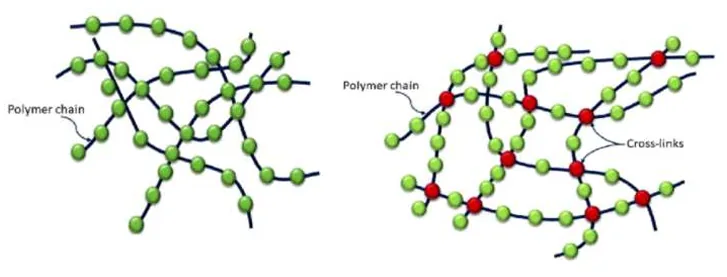
The key distinction between thermoset and thermoplastic composites lies in their molecular structure:
Thermoset Composites
- Form permanent cross-links during curing
- Cannot be remelted or reshaped after curing
- Require careful storage and have limited shelf life
- Chemical curing process is irreversible
Thermoplastic Composites
- Maintain linear polymer chains
- Can be remelted and reshaped multiple times
- Unlimited shelf life
- Physical process of melting and solidifying is reversible
Processing Characteristics
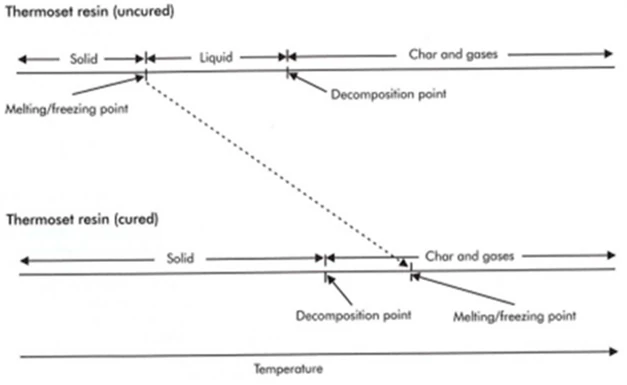
The processing requirements for these materials differ significantly, impacting manufacturing strategies:
Thermoset Processing
- Lower processing temperatures (typically 120-180°C)
- Longer processing times due to cure cycles
- Requires careful control of cure chemistry
- Storage often requires refrigeration
- Limited working time (out-life) once removed from storage
Thermoplastic Processing
- Higher processing temperatures (typically 300-400°C)
- Shorter processing times with no cure cycle
- Physical melting process instead of chemical curing
- Room temperature storage
- No out-life limitations
Performance Characteristics
Each material system offers distinct performance advantages:
Thermoset Strengths
- Excellent dimensional stability
- High temperature resistance
- Low viscosity during processing
- Good fiber wet-out
- Established certification history
Thermoplastic Advantages
- Superior impact resistance
- Better damage tolerance
- Excellent chemical resistance
- Higher strain-to-failure
- Recyclability and repairability
Manufacturing Implications
The choice between thermoset and thermoplastic composites significantly impacts manufacturing processes:
Equipment Requirements
- Thermoplastics require higher-temperature capable equipment
- Different layup technologies may be needed
- Specialized joining methods for thermoplastics (welding vs. adhesive bonding)
Quality Control
- Different inspection methods
- Modified process controls
- New validation procedures
Tooling Considerations
- Higher temperature tooling materials for thermoplastics
- Different release mechanisms
- Modified heating and cooling strategies
Understanding these fundamental differences is crucial for manufacturers planning the transition. Each aspect must be carefully considered when developing new manufacturing processes and selecting equipment. The next section will explore why, despite these differences and challenges, many manufacturers are choosing to make this transition.
Why Make the Transition?
The shift from thermoset to thermoplastic composites represents a significant investment in both resources and organizational change. However, several compelling advantages make this transition increasingly attractive for aerospace manufacturers.
Manufacturing Speed and Efficiency
Faster Processing Times
- No chemical curing required
- Rapid consolidation possible
- Potential for in-situ consolidation during automated layup
- Immediate handling strength after cooling
Production Rate Advantages
- Shorter cycle times enable higher throughput
- Reduced work in progress
- Less storage space needed for materials
- No special storage conditions required
Automation Potential
- Compatible with advanced automation technologies
- Suited for high-volume production
- Repeatable processes
- Digital process control
Performance Advantages
Mechanical Properties
- Superior impact resistance
- Better damage tolerance
- Higher strain-to-failure
- Excellent fatigue resistance
Chemical and Environmental Resistance
- Better resistance to fluids and chemicals
- Lower moisture absorption
- Good environmental stability
- Longer service life potential
Joint Performance
- Welding capabilities
- No adhesive needed for many joints
- Potential for fastener-free assemblies
- Better repair options
Sustainability Benefits
Recyclability
- Material can be reprocessed
- Scrap can be reused
- End-of-life options
- Closed-loop material systems possible
Environmental Impact
- Reduced waste through recycling
- No volatile organic compounds (VOCs)
- Lower energy lifecycle cost
- Improved sustainability metrics
Manufacturing Efficiency
- Less material waste
- No expired material disposal
- Reduced energy consumption in storage
- Streamlined inventory management
Economic Benefits
Long-term Cost Advantages
- Reduced storage costs
- No material expiration
- Lower scrap rates
- Faster production cycles
Market Opportunities
- Growing demand in aerospace
- New application areas
- Innovation potential
- Competitive advantage
Future-Proofing Benefits
Technology Readiness
- Alignment with Industry 4.0
- Digital manufacturing integration
- Automated process control
- Data-driven optimization
Regulatory Compliance
- Meeting environmental regulations
- Reduced environmental impact
- Better lifecycle management
- Future-ready manufacturing
The transition to thermoplastic composites offers a compelling combination of manufacturing, performance, and sustainability benefits. While the initial investment may be significant, the long-term advantages make it an increasingly attractive option for aerospace manufacturers looking to stay competitive in an evolving industry landscape.
Challenges in the Transition Process
While the benefits of transitioning to thermoplastic composites are compelling, manufacturers face several significant challenges during the transition process. Understanding and preparing for these challenges is crucial for a successful implementation.
Technical Challenges
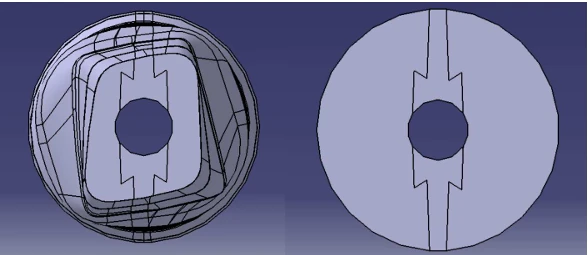
Processing Temperature Requirements
- Significantly higher processing temperatures
- Typically 300-400°C vs 120-180°C for thermosets
- Need for high-temperature tooling
- Greater energy requirements
- More complex thermal management
Equipment Modifications
- New or modified processing equipment
- Higher temperature capabilities
- Different compaction requirements
- Modified material handling systems
- Enhanced control systems
Material Handling
- Different prepreg characteristics
- Stiffer materials
- Different tack properties
- Modified storage requirements
- New handling procedures
Manufacturing Process Challenges
Layup Considerations
- Modified layup techniques
- Different compaction requirements
- Modified heating strategies
- New tooling designs
- Alternative release mechanisms
Quality Control
- New inspection methods
- Different defect types
- Modified inspection criteria
- New testing procedures
- Updated quality standards
Joining Methods
- Alternative joining technologies
- Welding vs adhesive bonding
- New tooling requirements
- Different surface preparation
- Modified process controls
Organizational Challenges
Training Requirements
- New skill development
- Different processing knowledge
- New equipment operation
- Modified quality procedures
- Updated safety protocols
Process Validation
- New validation procedures
- Different testing requirements
- Modified acceptance criteria
- New documentation needs
- Updated certification processes
Cost Considerations
Initial Investment
- Equipment and facility updates
- New processing equipment
- Modified tooling
- Facility modifications
- Training programs
Process Development
- New process optimization
- Material qualification
- Process validation
- Documentation updates
- Quality system modifications
Design Considerations
Part Design Modifications
- Adapted design approaches
- Different design allowables
- Modified joint designs
- New material selection criteria
- Updated analysis methods
Tooling Design
- New tooling requirements
- Higher temperature materials
- Different thermal management
- Modified release strategies
- Updated tool life considerations
Mitigation Strategies
Phased Implementation
- Start with non-critical parts
- Build experience gradually
- Develop process knowledge
- Validate procedures systematically
Technology Partners
- Work with experienced suppliers
- Leverage existing knowledge
- Access proven solutions
- Reduce development time
Process Development
- Systematic approach to optimization
- Data-driven decision making
- Continuous improvement
- Regular validation
While these challenges are significant, they are not insurmountable. With proper planning, the right technology partners, and a systematic approach to implementation, manufacturers can successfully navigate the transition to thermoplastic composites. The key is to understand these challenges upfront and develop comprehensive strategies to address them throughout the transition process.
Manufacturing Process Considerations
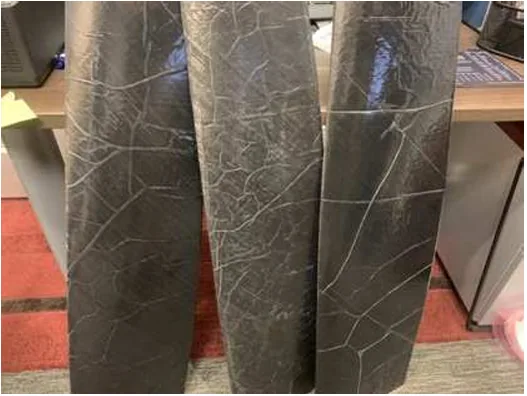
The transition to thermoplastic composites requires a comprehensive understanding of manufacturing processes that differ significantly from traditional thermoset methods. Let's explore the key process considerations that manufacturers need to address.
Layup Methods
Automated Fiber Placement (AFP)
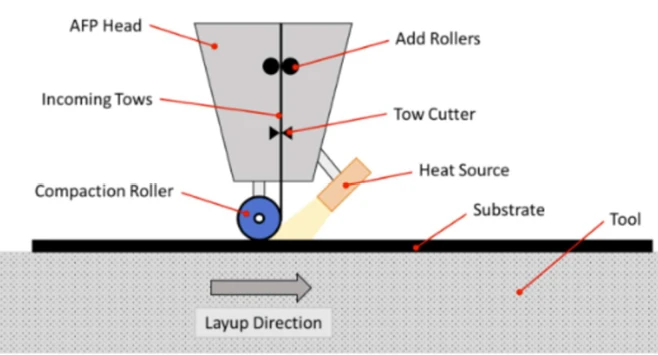
AFP technology has evolved significantly to accommodate thermoplastic materials:
- Temperature Control
- Higher processing temperatures
- Precise heating control
- Modified heating technologies
- Thermal management systems
- Material Handling
- Specialized feeding systems
- Modified tension control
- Different spool configurations
- Enhanced material tracking
- Process Parameters
- Optimized laying speeds
- Modified compaction forces
- Adjusted heat inputs
- Enhanced process monitoring
Hand Layup Considerations
While less common for thermoplastics, manual processes may still be necessary:
- Material Preparation
- Different cutting methods
- Modified handling techniques
- New tooling requirements
- Temperature management
- Process Modifications
- Local heating requirements
- Different tacking methods
- Modified debulking procedures
- Alternative quality checks
Consolidation Techniques
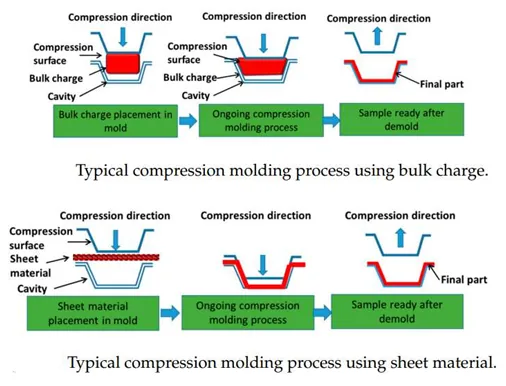
Compression Molding
A primary consolidation method for thermoplastics:
- Equipment Requirements
- High-temperature capability
- Precise pressure control
- Rapid heating/cooling
- Advanced process monitoring
- Process Parameters
- Temperature profiles
- Pressure cycles
- Dwell times
- Cooling rates
In-Situ Consolidation
An emerging technology for thermoplastic processing:
- Process Requirements
- Advanced heating systems
- Precise temperature control
- Modified compaction systems
- Real-time monitoring
- Quality Considerations
- Void content management
- Bond strength verification
- Surface quality control
- Dimensional accuracy
Joining Methods
Fusion Bonding
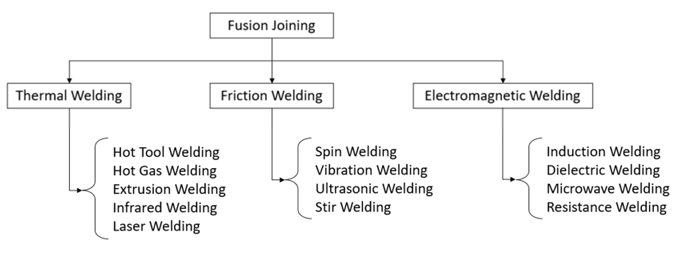
A key advantage of thermoplastic composites:
- Welding Technologies
- Induction welding
- Resistance welding
- Ultrasonic welding
- Hot plate welding
- Process Control
- Temperature monitoring
- Pressure application
- Time management
- Quality verification
Mechanical Fastening
Still relevant for certain applications:
- Design Considerations
- Load distribution
- Hole preparation
- Fastener selection
- Assembly sequences
Quality Control and Inspection
Process Monitoring
Critical for consistent production:
- In-Process Controls
- Temperature monitoring
- Layup inspection
- Consolidation verification
- Real-time adjustments
- Post-Process Verification
- Non-destructive testing
- Dimensional inspection
- Surface quality checks
- Mechanical testing
Data Management
Essential for process optimization:
- Process Parameters
- Data collection
- Analysis methods
- Trending
- Optimization strategies
- Quality Records
- Documentation requirements
- Traceability systems
- Compliance verification
- Performance tracking
Process Integration
Digital Manufacturing
Implementation of Industry 4.0 concepts:
- Digital Tools
- Process simulation
- Digital twins
- Automated documentation
- Predictive maintenance
- Integration Strategy
- System connectivity
- Data flow management
- Process automation
- Quality integration
The successful implementation of thermoplastic composite manufacturing requires careful consideration of these process elements. Each aspect must be optimized for the specific application while maintaining the flexibility to adapt to changing requirements and new technologies.
How Addcomposites Can Help
The transition to thermoplastic composites presents numerous challenges, but Addcomposites offers comprehensive solutions designed to make this transition smoother and more efficient. Let's explore how our integrated systems and solutions address the key challenges in thermoplastic composite manufacturing.
Advanced AFP Systems
AFP-XS System
Our flagship AFP-XS system offers unique advantages:
- Versatile Processing
- Single-tow precision
- Multiple material compatibility
- Thermoset, thermoplastic, and dry fiber processing
- Quick installation (one month timeframe)
- Robot Integration
- Compatible with major robot brands
- Kuka, Fanuc, ABB, Kawasaki, and Yaskawa support
- Seamless integration
- Flexible implementation
AFP-X System
- Enhanced Capabilities
- Four-tow system
- Increased material capacity
- Advanced sensor integration
- High-speed operation (up to 500mm/s)
Innovative Software Solutions
AddPath Software
Our comprehensive path planning solution:
- Advanced Features
- Sophisticated simulation capabilities
- Digital twin functionality
- AI-powered defect detection
- Altair FEA software integration
- Flexible Options
- Basic and Pro versions
- Scalable solutions
- User-friendly interface
- Comprehensive training support
AddPrint Software
Specialized for SCF3D printing:
- Capabilities
- Complex CAD geometry processing
- 12-axis capability
- Intricate surface printing
- Advanced process control
Manufacturing Systems
SCF3D System
Advanced manufacturing flexibility:
- Material Versatility
- Pellet and continuous reinforcement compatibility
- PA, PEEK, and PAEK processing
- Carbon or glass reinforcement options
- High deposition rates (up to 9kg/hr)
Filament Winding System
Enhanced winding capabilities:
- Advanced Features
- High tension winding
- Multi-material support
- Non-geodesic winding paths
- Precise control systems
Integration Solutions
AddCell Integration
Comprehensive safety and control:
- Safety Features
- Sophisticated control box
- Complete wiring management
- Precise calibration tools
- Digital monitoring capabilities
- Installation Support
- Robot installation components
- Base positioning systems
- Calibration assistance
- Technical support
Heating Solutions
Advanced Heating Options
Versatile heating capabilities:
- Technology Options
- Third-party heater integration
- Humm3 Flash lamp system support
- Laser system integration
- Customizable power requirements
Comprehensive Support
Training and Education
Building expertise through education:
- Support Programs
- Comprehensive training modules
- Hands-on instruction
- Process optimization guidance
- Ongoing technical support
Global Support Network
Worldwide assistance availability:
- Support Services
- Installation assistance
- Process optimization
- Troubleshooting
- Ongoing maintenance support
Innovation Focus
Continuous Development
- Research Areas
- Process optimization
- Material compatibility
- Software enhancement
- System integration
By providing these comprehensive solutions, Addcomposites helps manufacturers overcome the challenges of transitioning to thermoplastic composites while maximizing the benefits of this advanced technology. Our integrated approach ensures that manufacturers have access to the tools, technology, and support needed for successful implementation.
Best Practices for Successful Transition
A successful transition to thermoplastic composites requires a structured approach that addresses technical, organizational, and operational aspects. Here are key best practices to ensure a smooth transition:
Strategic Planning
Assessment and Preparation
Begin with thorough evaluation:
- Current State Analysiss
- Existing capabilities assessment
- Resource evaluation
- Skill gap identification
- Infrastructure review
- Target State Definition
- Production goals
- Quality requirements
- Performance targets
- Timeline establishment
Phased Implementation
Start small and scale systematically:
- Pilot Programs
- Select appropriate test cases
- Define success metrics
- Monitor outcomes
- Document lessons learned
- Gradual Expansion
- Systematic scaling
- Process refinement
- Capability building
- Risk management
Technical Implementation
Design Optimization
Adapt designs for thermoplastic processing:
- Design Guidelines
- Material selection criteria
- Processing considerations
- Joint design optimization
- Quality requirements
- Validation Methods
- Simulation tools
- Testing procedures
- Performance verification
- Documentation requirements
Process Development
- Parameter Development
- Process optimization
- Control limits
- Monitoring methods
- Quality criteria
- Documentation
- Standard procedures
- Work instructions
- Quality requirements
- Training materials
Quality Management
Quality System Adaptation
Implement appropriate controls:
- Process Controls
- In-process monitoring
- Data collection
- Analysis methods
- Corrective actions
- Quality Assurance
- Inspection methods
- Testing procedures
- Documentation requirements
- Traceability systems
Continuous Improvement
- Performance Monitoring
- Data analysis
- Trend identification
- Process optimization
- Continuous learning
Training and Development
Skills Development
- Technical Training
- Process understanding
- Equipment operation
- Quality procedures
- Safety protocols
- Advanced Skills
- Process optimization
- Problem-solving
- Data analysis
- Continuous improvement
Knowledge Management
Maintain institutional knowledge:
- Documentation
- Process records
- Best practices
- Lessons learned
- Training materials
Safety and Environmental Considerations
Safety Protocols
Establish comprehensive safety measures:
- Process Safety
- Equipment protocols
- Material handling
- Personal protection
- Emergency procedures
- Training Requirements
- Safety awareness
- Equipment operation
- Emergency response
- Regular updates
Environmental Management
Implement sustainable practices:
- Waste Management
- Material recycling
- Scrap reduction
- Process optimization
- Environmental compliance
Success Metrics
Performance Monitoring
- Production Metrics
- Output rates
- Quality levels
- Process efficiency
- Cost management
- Long-term Indicators
- Process stability
- Quality trends
- Cost reduction
- Capability improvement
Continuous Assessment
Regular evaluation and adjustment:
- Regular Reviews
- Performance analysis
- Goal assessment
- Process adjustment
- Strategy refinement
By following these best practices, manufacturers can minimize risks and maximize the benefits of transitioning to thermoplastic composites. The key is to maintain a systematic approach while remaining flexible enough to adapt to changing requirements and new opportunities.
Future Outlook
The future of thermoplastic composites in aerospace manufacturing looks increasingly promising, with several key trends and developments shaping the industry's direction. Let's explore what lies ahead:
Technological Advancements
Automation and AI Integration
The rise of intelligent manufacturing:
- Advanced Process Control
- AI-driven optimization
- Real-time quality monitoring
- Predictive maintenance
- Automated defect detection
- Digital Integration
- Industry 4.0 implementation
- Digital twin technology
- Connected manufacturing
- Data-driven decision making
Processing Technologies
Emerging manufacturing methods:
- In-Situ Processing
- Advanced heating systems
- Real-time consolidation
- Process monitoring
- Quality verification
- Novel Joining Methods
- Advanced welding techniques
- Hybrid joining solutions
- Automated assembly
- Quality assurance systems
Market Trends
Industry Applications
Expanding market opportunities:
- Urban Air Mobility
- Electric aircraft
- Drone technology
- Personal air vehicles
- High-volume production
- Sustainable Transportation
- Electric vehicles
- Hydrogen storage
- Mass transit
- Infrastructure
Sustainability Focus
Growing environmental consciousness:
- Material Development
- Recycled content
- Bio-based materials
- Circular economy
- End-of-life solutions
- Process Optimization
- Energy efficiency
- Waste reduction
- Resource conservation
- Environmental compliance
Research and Development
Material Innovations
- Advanced Formulations
- Enhanced performance
- Processing improvements
- Multi-functional properties
- Cost optimization
- Hybrid Solutions
- Material combinations
- Property optimization
- Application-specific development
- Performance enhancement
Process Development
- Manufacturing Efficiency
- Higher production rates
- Quality improvements
- Cost reduction
- Automation enhancement
- Quality Assurance
- Advanced inspection methods
- Real-time monitoring
- Predictive analytics
- Process control
Industry Transformation
Manufacturing Paradigm Shift
Evolution of production methods:
- Digital Manufacturing
- Connected systems
- Data integration
- Process optimization
- Quality management
- Flexible Production
- Adaptable systems
- Scalable solutions
- Rapid changeover
- Custom production
Workforce Development
- New Competencies
- Digital skills
- Process understanding
- Data analysis
- Problem-solving
- Training Evolution
- Advanced programs
- Digital learning
- Continuous development
- Knowledge management
Market Opportunities
Emerging Sectors
- Advanced Mobility
- Urban air transport
- Electric vehicles
- Space applications
- High-speed transport
- Energy Systems
- Renewable energy
- Hydrogen storage
- Energy efficiency
- Grid infrastructure
The future of thermoplastic composites in aerospace manufacturing is marked by continuous innovation, increasing automation, and growing market opportunities. As technology advances and sustainability becomes increasingly important, thermoplastic composites are well-positioned to play a crucial role in the future of aerospace manufacturing.
Conclusion
The transition from thermoset to thermoplastic composites represents a significant shift in aerospace manufacturing, one that offers substantial benefits while presenting notable challenges. As we've explored throughout this discussion, success in this transition requires careful planning, the right technology partners, and a commitment to continuous improvement.
Key Takeaways
Strategic Advantages
- Faster processing times and higher production rates
- Improved sustainability through recyclability
- Enhanced performance characteristics
- Greater manufacturing flexibility
Implementation Considerations
- Need for systematic approach to transition
- Equipment and process modifications
- Training and workforce development
- Quality control adaptation
Technology Requirements
- Advanced automation systems
- Sophisticated process control
- Integrated quality monitoring
- Digital manufacturing capabilities
Moving Forward
Next Steps for Manufacturers
- Assessment
- Evaluate current capabilities
- Identify gaps
- Define requirements
- Set clear objectives
- Planning
- Develop implementation strategy
- Select technology partners
- Establish timelines
- Allocate resources
- Implementation
- Start with pilot projects
- Build expertise
- Document learnings
- Scale progressively
Support Resources
Technology Solutions
- Comprehensive AFP systems
- Advanced software tools
- Integration support
- Training programs
Knowledge Resources
- Technical documentation
- Process guides
- Best practices
- Case studies
Final Thoughts
The shift to thermoplastic composites is more than just a material change – it's an opportunity to revolutionize aerospace manufacturing. While the challenges are real, the potential benefits make this transition increasingly attractive for manufacturers looking to stay competitive in an evolving industry.
With the right approach and support, manufacturers can successfully navigate this transition, positioning themselves for future growth and innovation. Addcomposites stands ready to support this journey with comprehensive solutions, expertise, and ongoing support.
Getting Started
Ready to explore how thermoplastic composites can transform your manufacturing operations? Take the first step:
- Contact Addcomposites for a consultation
- Schedule a technology demonstration
- Explore our training programs
- Begin your pilot project
The future of aerospace manufacturing is evolving, and thermoplastic composites are playing an increasingly important role. The time to begin this transition is now – let's work together to make it successful.
References
Academic References
This blog post draws significant insights from the following academic work:
Jones III, S. L. (2022). Manufacturing Process Considerations When Transitioning From Thermoset to Thermoplastic Composite Material for Urban Air Mobility Propellers. Master's thesis, University of South Carolina. Retrieved from https://scholarcommons.sc.edu/etd/6578
This comprehensive thesis provides valuable insights into the challenges and considerations involved in transitioning from thermoset to thermoplastic composites in aerospace applications, particularly for urban air mobility components.
Technical Resources
The technical content in this blog is additionally supported by Addcomposites' extensive knowledge base and technical documentation:
Manufacturing Processes
Technology Solutions
Industry Insights
Additional Resources
For more information about specific topics covered in this blog, please visit our comprehensive resource library at www.addcomposites.com
This blog represents a synthesis of academic research, industry experience, and Addcomposites' technical expertise. While we strive for accuracy in all our content, specific applications may require additional consideration and engineering analysis.