

From funded prototype, to repeatable production.
The process architecture changes with the mission. AddX LFAM, AFP, filament winding, molding, forming, AI-assisted path planning, process control and closed-loop quality are integrated by an industrial team into the scale-up system the product actually requires.
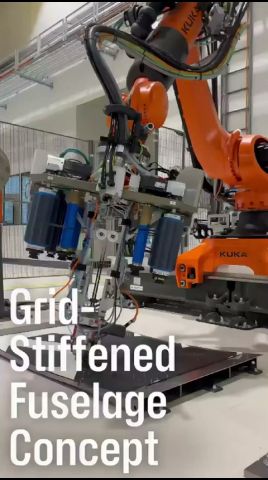
Aerospace
The structures that have to be light, have to be certified, and cannot be inspected into compliance after the fact. Fiber placement puts material only where load goes, and puts it there the same way every time.
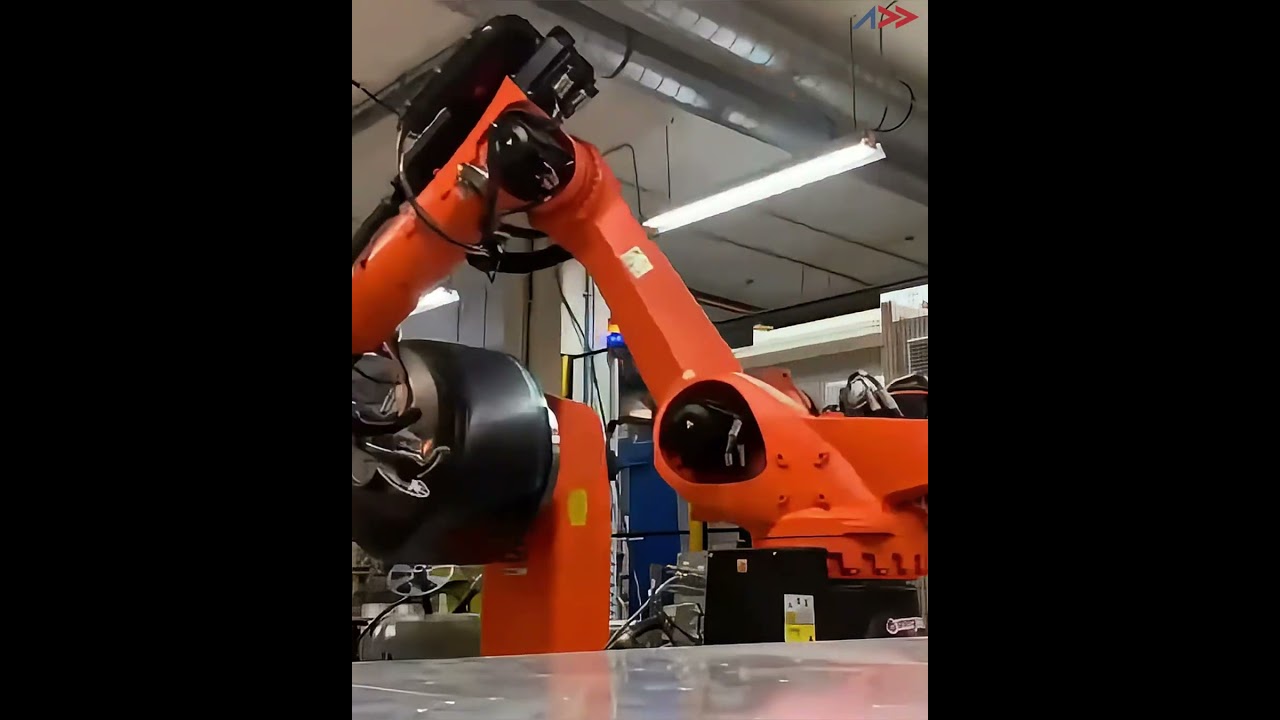
Hydrogen
A vessel that holds hydrogen at pressure is a fiber architecture problem before it is anything else. Winding on a robot rather than a dedicated machine means the geometry is not fixed by the machine you bought.
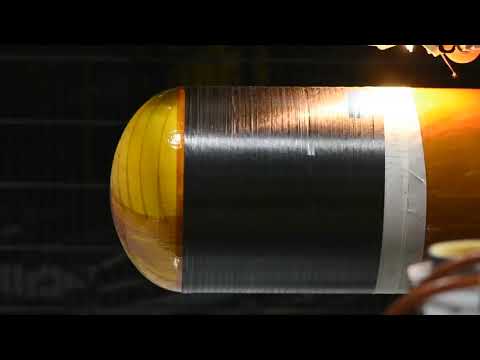
Space and launch
Low volume, high consequence, and every part different from the last. The economics that justify a dedicated production line never arrive, which is exactly the gap a robot-mounted head fills.
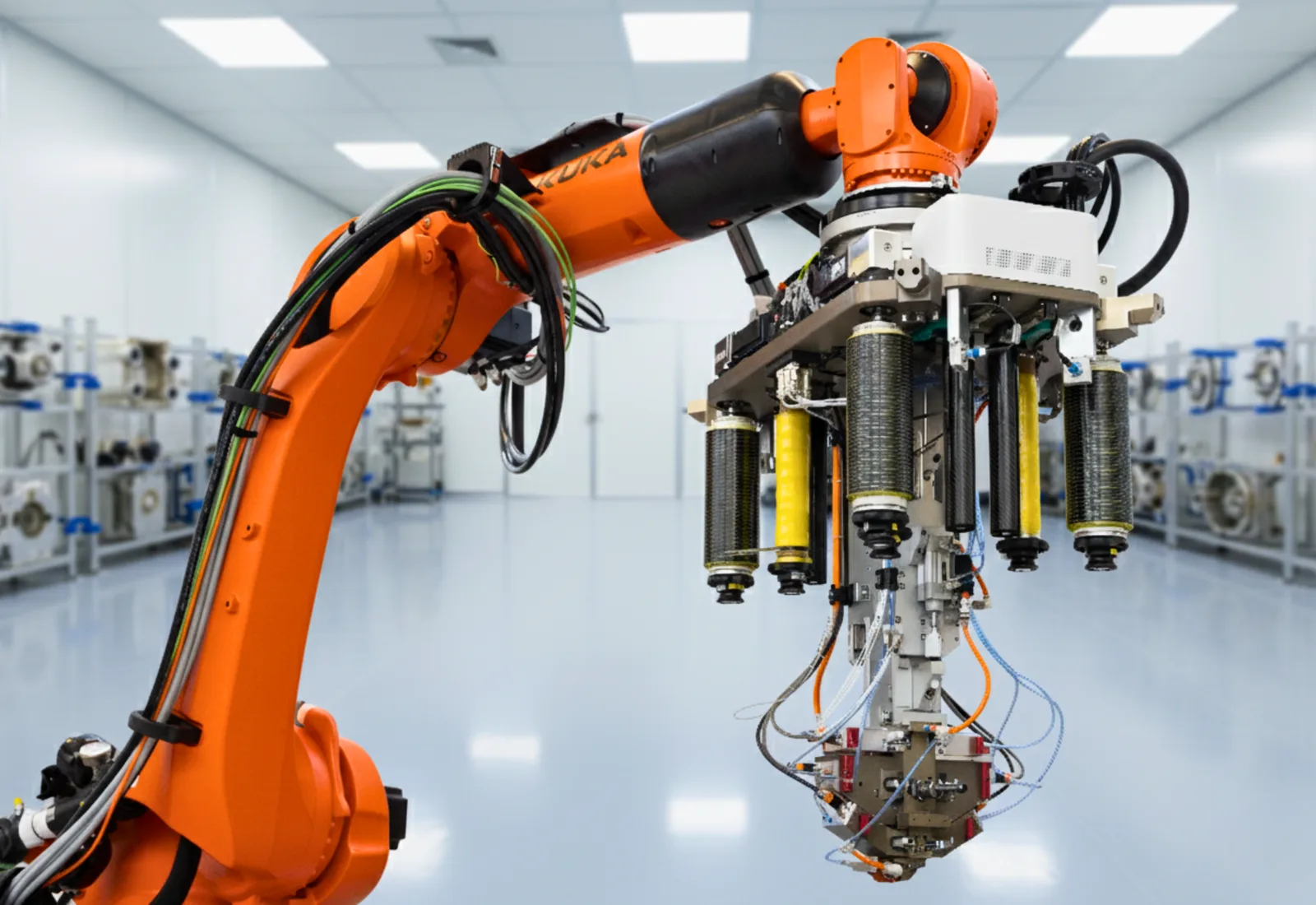
Defence
Structural performance and electromagnetic behaviour in the same laminate, which is a manufacturing problem long before it is a materials one. We are a partner in a European Defence Fund programme working on exactly this.
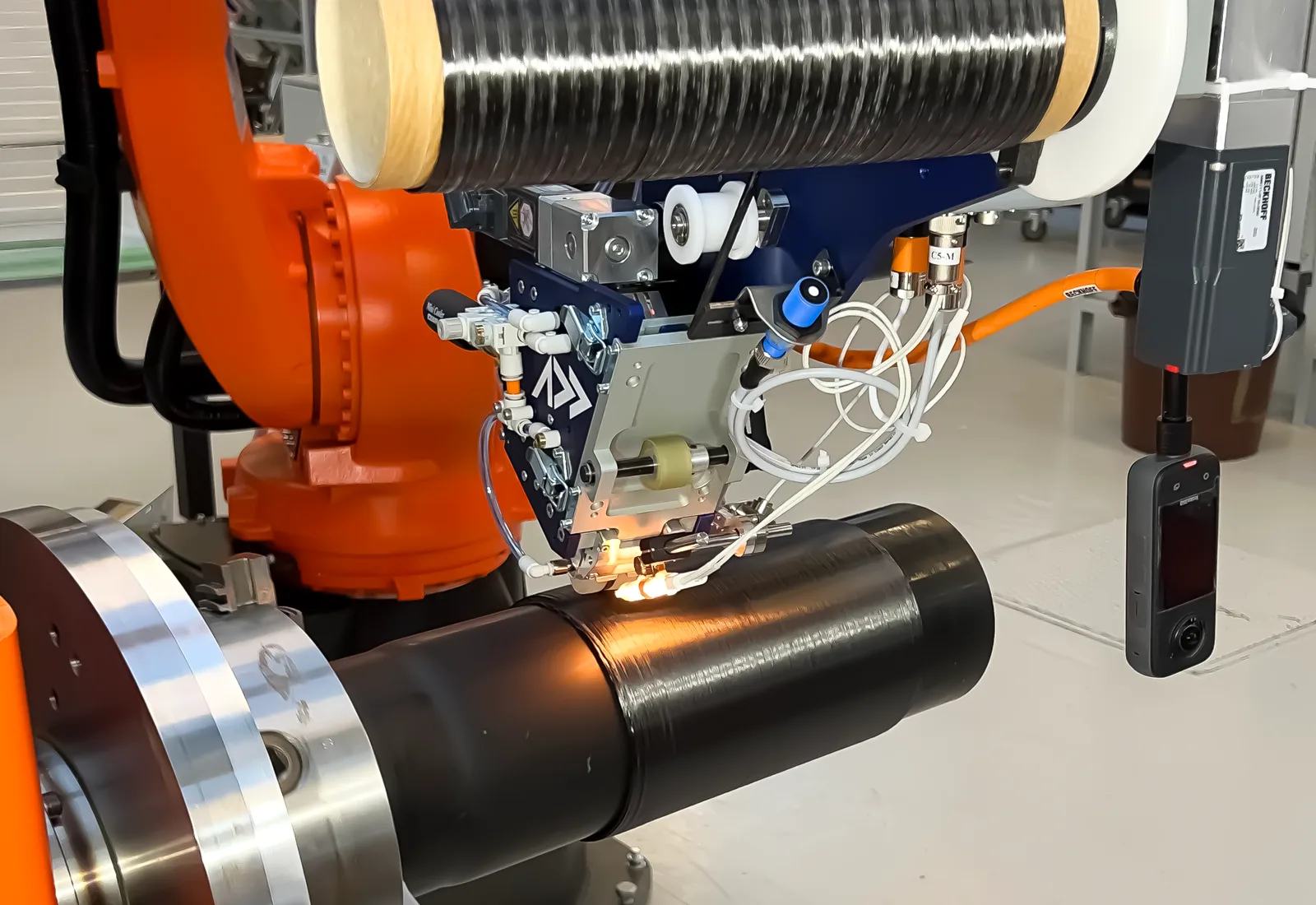
EV and automotive
Volume changes the question. Here the argument is cycle time and material cost per part, and the answer is a head that runs fast enough to matter on a line rather than in a lab.
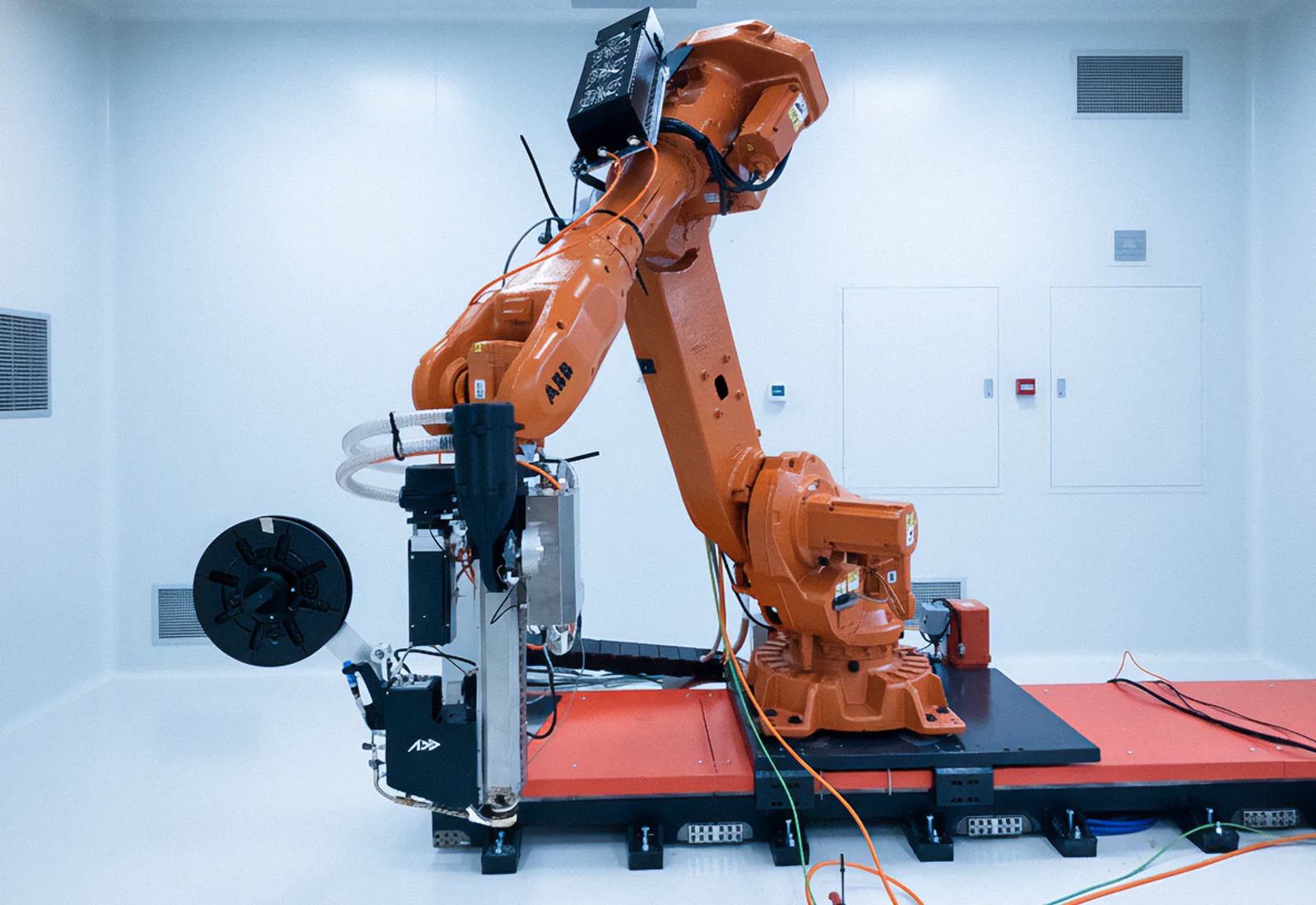
Marine
Ocean racing pushes structures harder than certification does, and iterates faster than any aerospace programme. Parts change between races, so the tooling and the toolpath have to change with them.
Most of these arrive as a cell, not as a head in a box.
A head on its own is a component. What actually produces a part is a cell: the robot, the positioner, the material handling, the software, the process window and somebody who has built one before. AddCell is that, delivered and commissioned, specified around the part you showed us rather than around a catalogue.
DESIGNED AROUND THE PART
Reach, payload, axes and tooling chosen from your geometry, not from a standard configuration.
SIMULATED BEFORE IT IS BUILT
The full cell runs in AddPath first, so collisions and reachability are settled before steel is ordered.
INSTALLED AND HANDED OVER
Integration, installation and commissioning, with remote install where travel is the constraint.
DELIVERED WITH EVERYTHING
Head, material, spares, software, and consulting on the part and the mould.