

ADDCOMPOSITES BLOG
Mastering Complex Geometries with Single-Tow AFP: Technical Capabilities and Applications
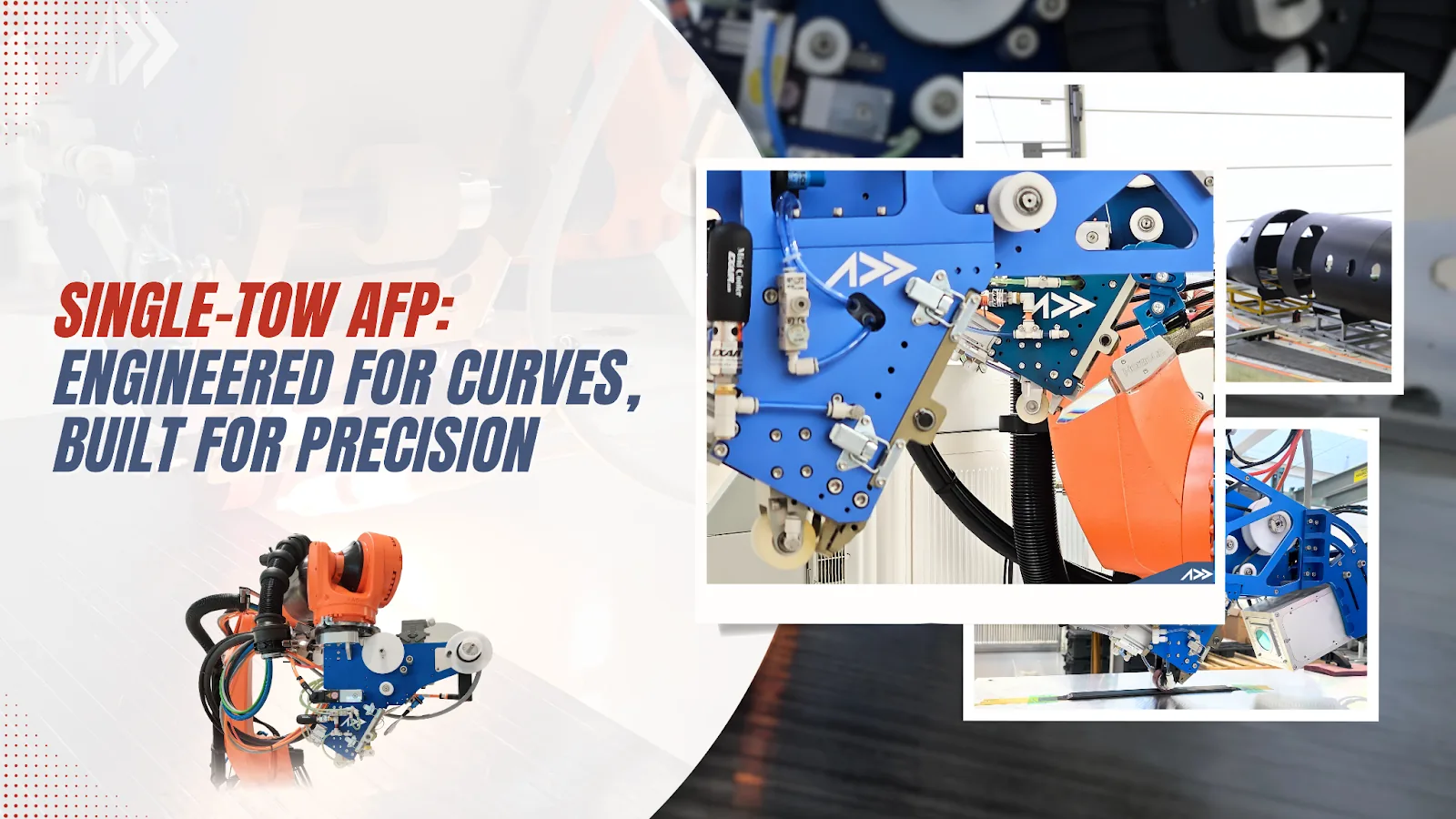
Automated Fiber Placement (AFP) technology has revolutionized composite manufacturing, particularly when it comes to creating complex geometries that were once considered impossible or prohibitively expensive to produce. Single-tow AFP systems offer unique advantages in handling intricate geometries, providing precision and flexibility that make them indispensable for certain applications.
Technical Capabilities of Single-Tow AFP Systems
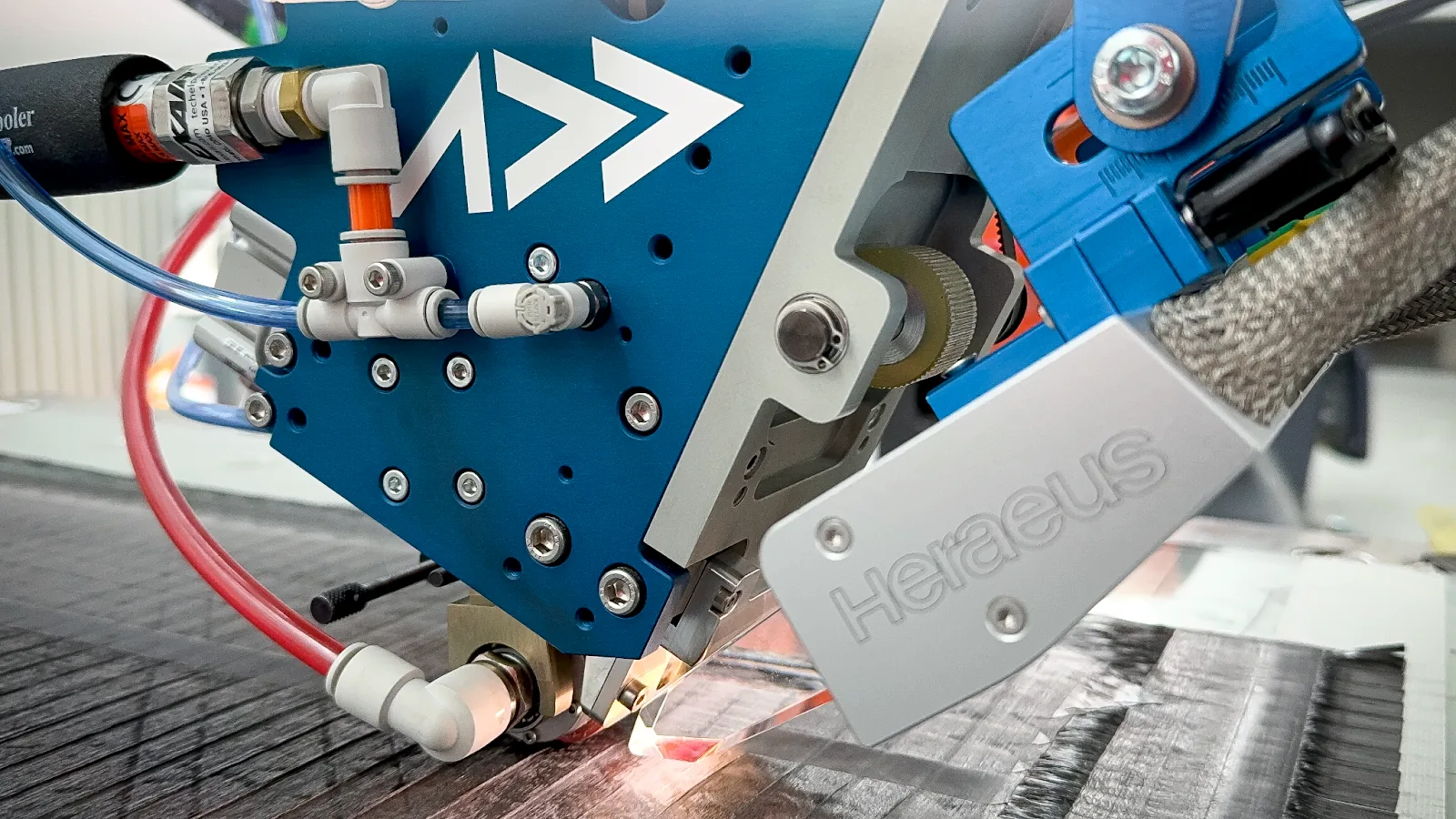
Steering Capabilities
Single-tow AFP systems excel at tow steering—the ability to place fiber tows along curved paths. The narrower the tow, the tighter the steering radius possible:
- 0.125-inch tows can achieve steering radii of approximately 635-750 millimeters (25-29.5 inches)7
- 0.25-inch tows can manage radii of 1.5-1.9 meters (59-75 inches)7
- 0.5-inch tows require larger radii of 3-7.6 meters (118-300 inches)7
In exceptional cases, steering radii as small as 100 millimeters (4 inches) have been demonstrated, though this isn't typical for production applications7.
Enhanced Drapability
The use of narrow tows in the AFP process significantly enhances drapability, allowing for the lamination of more complex geometries6. This is particularly valuable when working with concave parts, sandwich structures, and closed sections that would be challenging with wider tows or manual layup techniques.
Precision Placement
Single-tow systems maintain high precision even on complex surfaces through:
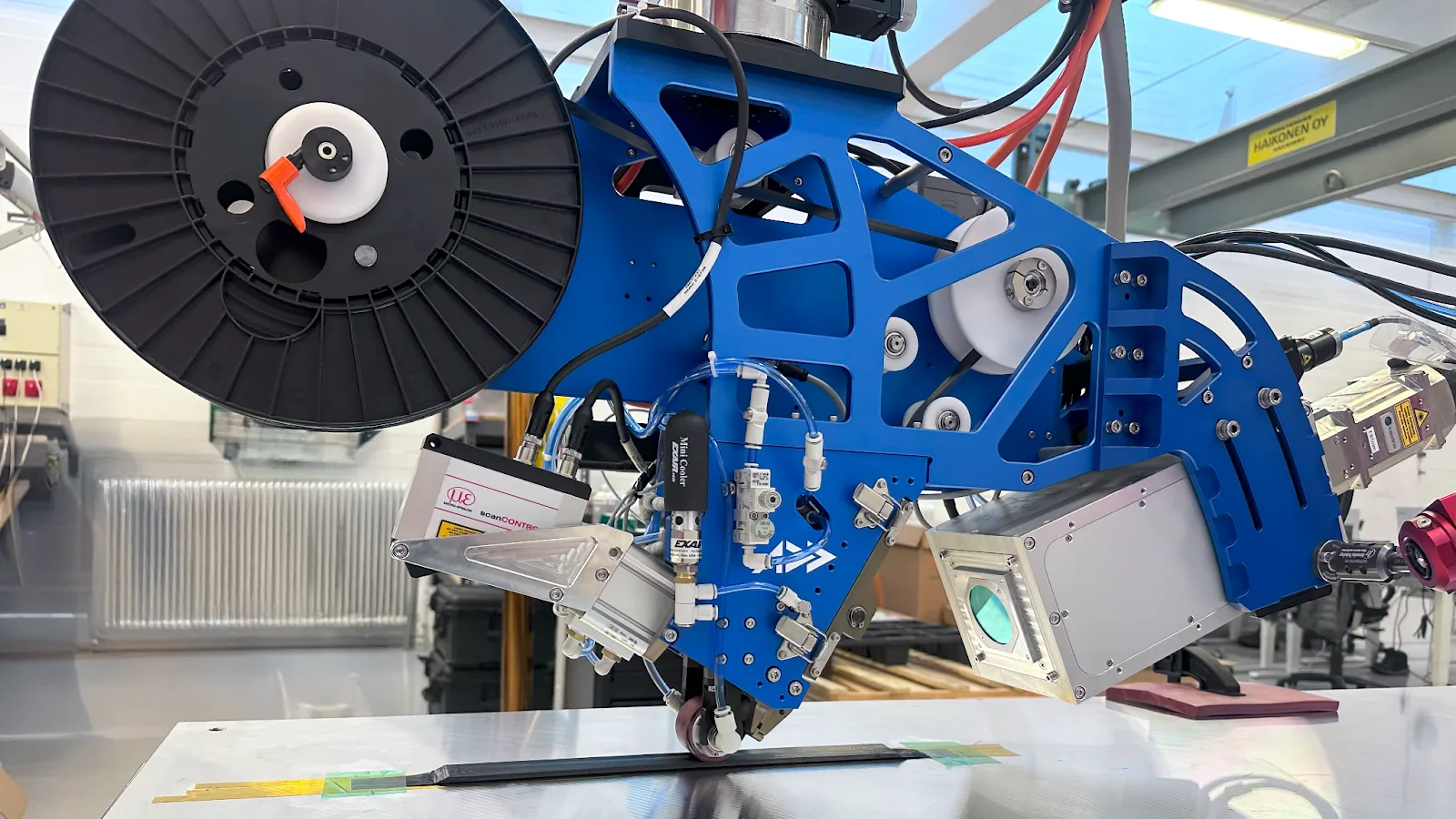
- Cut/Clamp/Restart Mechanisms: These control the start and end points of tows with exceptional accuracy, allowing for precise placement and minimizing defects1
- Advanced Control Systems: Real-time feedback and adjustments maintain optimal placement conditions throughout the layup process1
Real-World Applications of AFP-XS
The AFP-XS system has demonstrated its capabilities across various complex geometries:
Aerospace Components
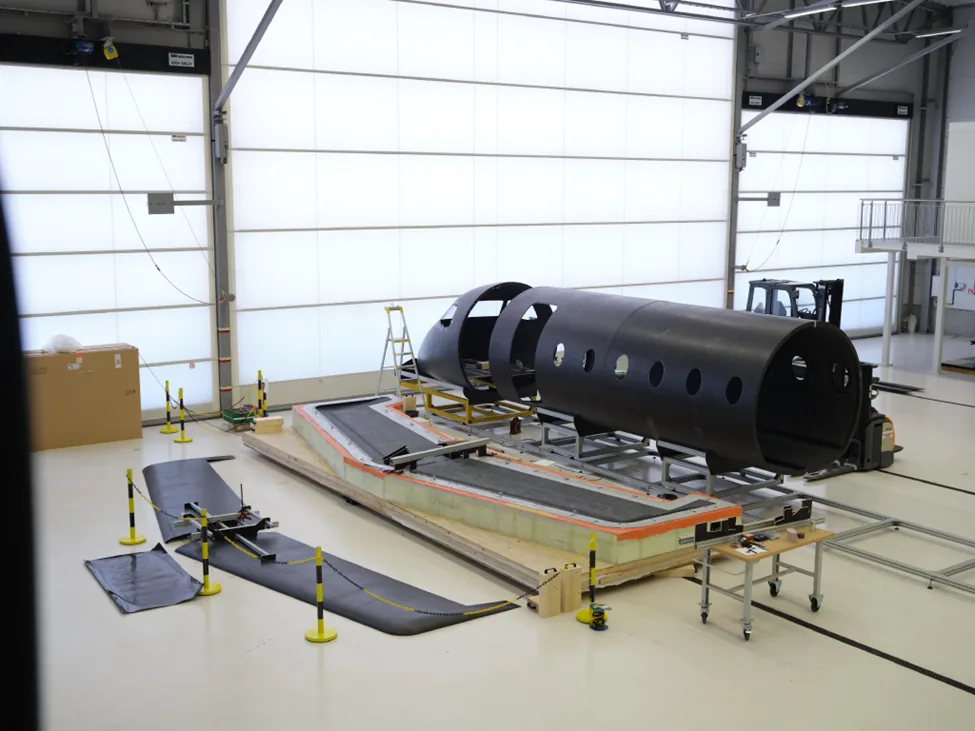
The system has been successfully used for manufacturing:
- Concave parts such as winglets and fuselage sections5
- Sandwich parts including engine nacelles and casings5
- Closed sections like pressure vessels5
Hydrogen Storage Solutions
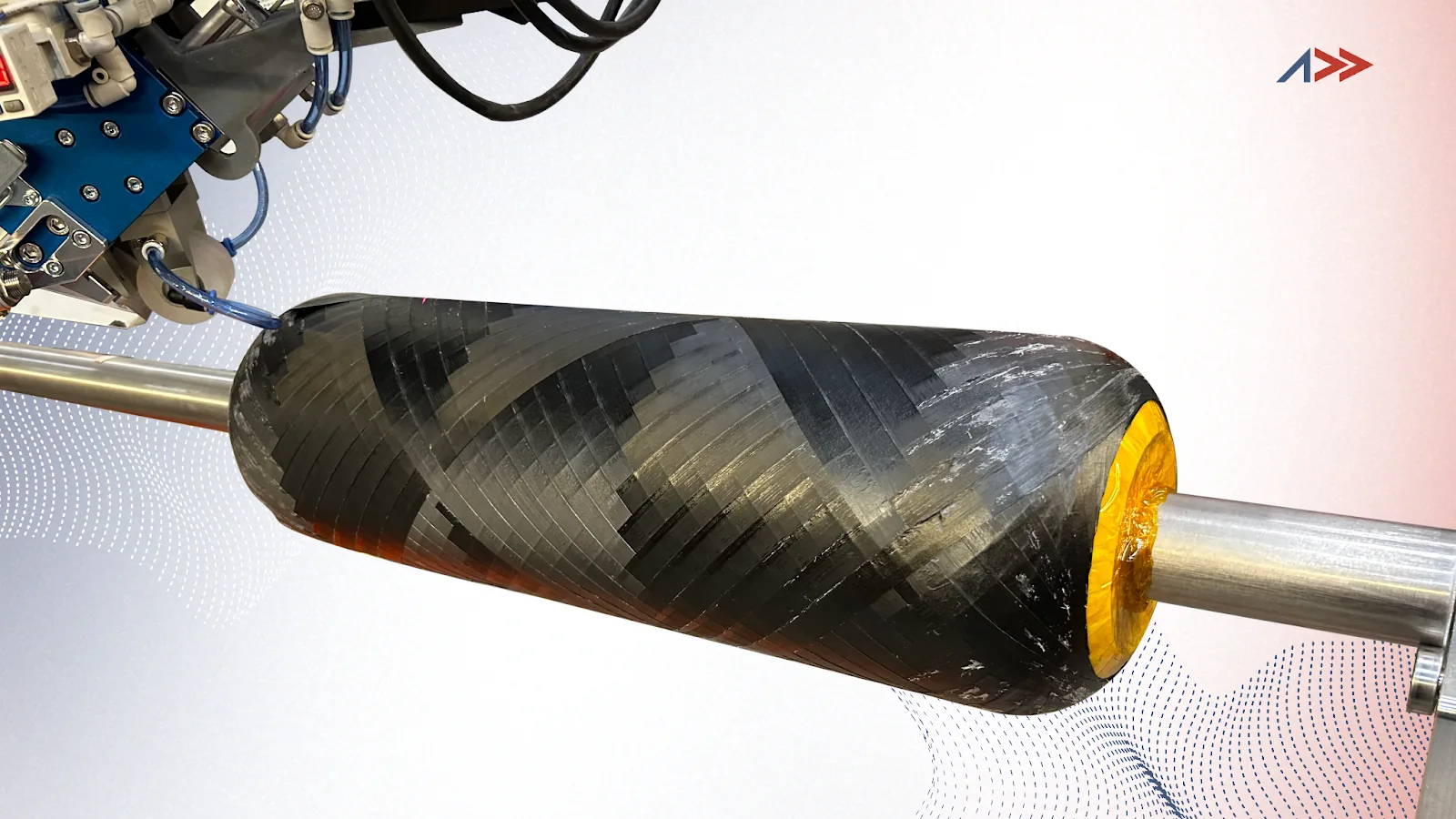
The AFP-XS's dual AFP/filament winding capability allows for the production of complex geometries like Type IV hydrogen tanks, switching between AFP and filament winding modes without cell reconfiguration2. This hybrid approach has achieved 40% faster cycle times compared to manual methods2.
Marine Applications
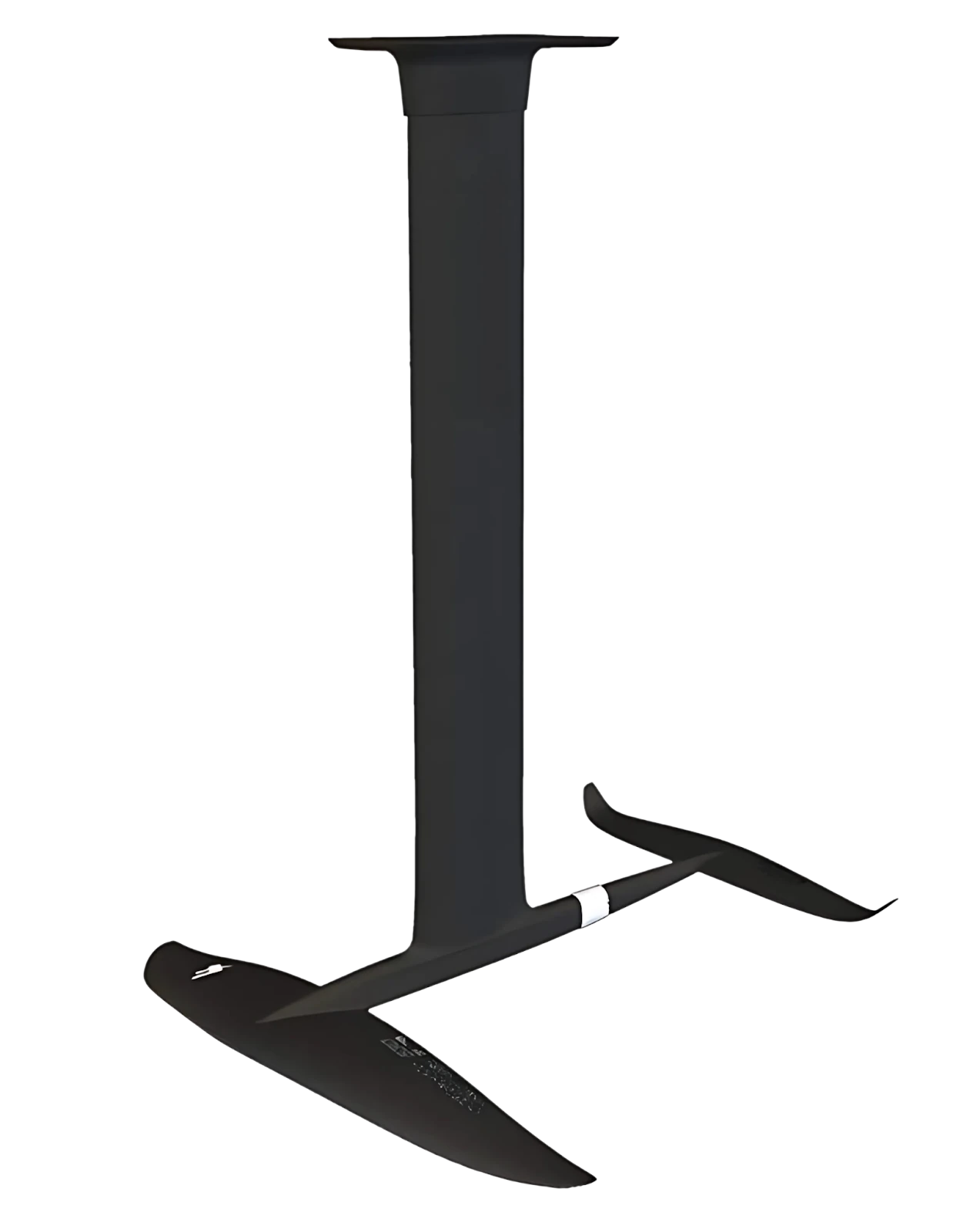
A case study in the marine industry showed 55% weight reduction in hydrofoils using dry fiber AFP versus traditional manual wet layup techniques2, demonstrating the system's ability to create complex, lightweight structures.
Single-Tow vs. Multi-Tow Approaches
Advantages of Single-Tow Systems
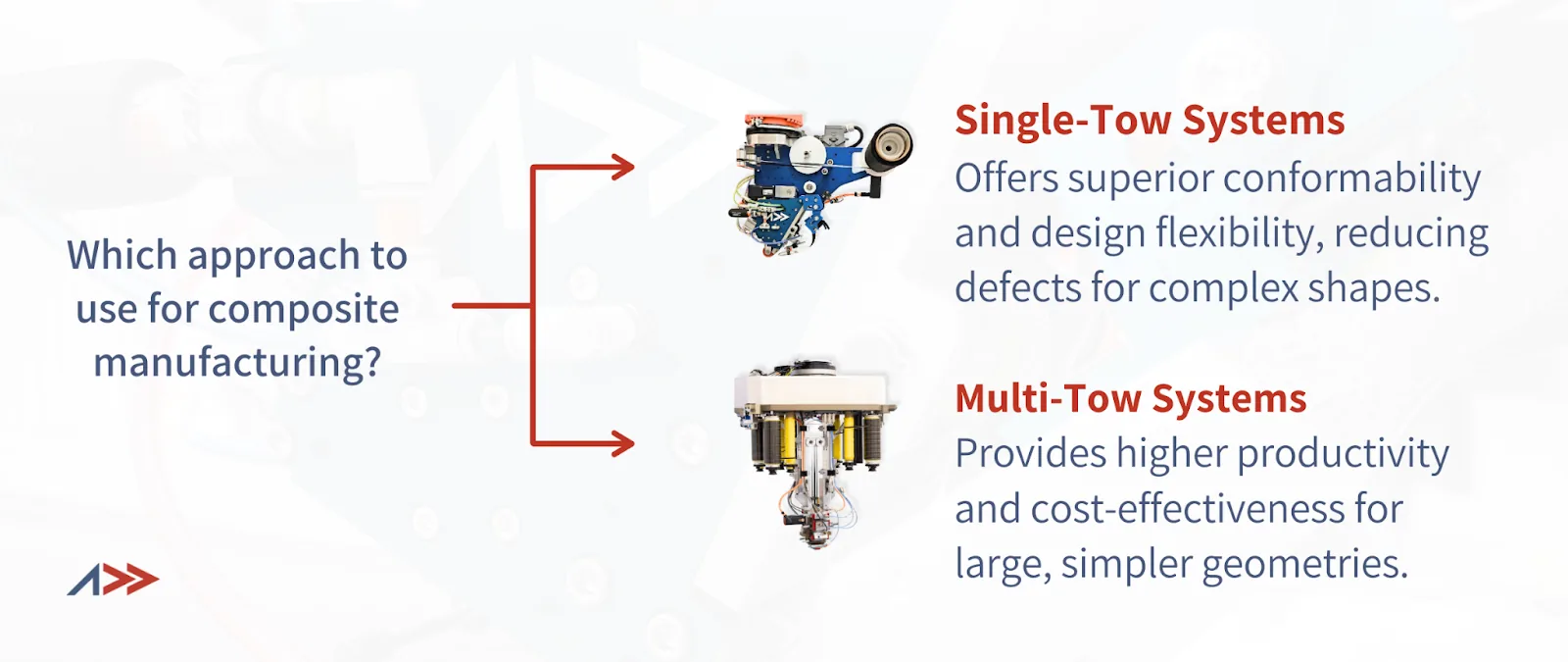
- Superior Conformability: Single-tow systems can follow curved paths more precisely, avoiding defects like fiber buckling that occur with multi-tow systems4
- Reduced Process-Induced Defects: Single-tow placement minimizes issues like tow gaps and overlaps that are common in multi-tow systems following curved paths4
- Design Flexibility: There are fewer limitations on the curvature of tow paths, significantly improving design flexibility4
Advantages of Multi-Tow Systems
- Higher Productivity: Multi-tow systems can achieve layup speeds from 500 mm/s to 1,000 mm/s, substantially increasing production rates for larger parts5
- Efficient for Simpler Geometries: When working with less complex shapes, multi-tow systems offer significant time savings
- Cost-Effective for Large Parts: For large structures with relatively simple geometries, multi-tow approaches reduce production time and costs
Application-Specific Selection
The choice between single-tow and multi-tow approaches depends on the specific application:
- Complex, Highly Contoured Parts: Single-tow systems are preferred for their precision and ability to handle tight radii
- Large Structural Components: Multi-tow systems excel when covering large areas with moderate complexity
- Hybrid Approaches: Some manufacturers use both capabilities, applying multi-tow placement for flat or gently curved sections and switching to single-tow for complex features
Future Developments
The AFP technology landscape continues to evolve, with innovations focusing on:
- Advanced Heating Technologies: Laser-based heating systems are being assessed for future systems to improve steering capabilities7
- Material Compatibility: Expanding the range of materials that can be processed, including thermoplastics and dry fibers2
- Hybrid Manufacturing: Combining AFP with other manufacturing techniques to create increasingly complex geometries3
Single-tow AFP systems like the AFP-XS have democratized access to advanced composite manufacturing, enabling small and medium enterprises to produce complex geometries that were previously only possible for large aerospace corporations with multimillion-dollar budgets2. As the technology continues to mature, we can expect even greater capabilities in mastering complex geometries with automated fiber placement.
Citations:
- https://www.addcomposites.com/post/afp-machines-and-components
- https://www.addcomposites.com/post/addcomposites-afp-xs-system-democratizing-automated-fiber-placement-for-small-and-medium-enterprises
- https://www.addcomposites.com/post/the-insane-engineering-behind-automated-fiber-placement
- https://iccm-central.org/Proceedings/ICCM18proceedings/data/2.%20Oral%20Presentation/Aug23(Tuesday)/T11%20Processing%20and%20Manufacturing%20Technologies/T11-3-IF1097.pdf
- https://www.compositesworld.com/products/addcomposites-brings-multi-tow-afp-system-to-the-composites-market
- https://compositeskn.org/KPC/A303
- https://www.compositesworld.com/articles/afp-tow-steering-comes-of-age-part-1-current-state
- https://www.trelleborg.com/fr-fr/seals/products-and-solutions/advanced-composites/automation-equipment/fiber-placement/
- https://www.sciencedirect.com/science/article/pii/S1359835X21001718
- https://www.albint.com/engineered-composites/capabilities/process-capabilities/automated-fiber-placement/
- https://broetje-automation.de/products/automated-equipment/composite-systems/automated-fiber-placement/
- https://www.addcomposites.com/post/pushing-the-boundaries-of-automated-fiber-placement-a-deep-dive-into-compaction-roller-design
- https://www.trelleborg.com/fi-fi/seals/products-and-solutions/advanced-composites/automation-equipment/fiber-placement/
- https://www.sciencedirect.com/science/article/pii/S1359835X22004274
- https://broetje-automation.de/products/smart-process/process-technologies/product/automated-fiber-placement/
- https://technology.nasa.gov/patent/LAR-TOPS-342
- https://www.sciencedirect.com/science/article/pii/S2666682021000773
- https://www.nccuk.com/what-we-do/technologies/fibre-placement/
- https://www.sciencedirect.com/science/article/abs/pii/S0263822320302324
- https://scholarcommons.sc.edu/context/emec_facpub/article/1840/viewcontent/1_s2.0_S2666682021000773_main.pdf
- https://www.addcomposites.com/post/can-it-be-made-with-afp-a-comprehensive-guide-to-understanding-automated-fiber-placement
- https://www.compositesworld.com/topics/atl-afp
- https://www.addcomposites.com/all-products/afp-xs
- https://www.youtube.com/watch?v=2-007YniFFs
- https://www.sciencedirect.com/science/article/pii/S1359836824007030
- https://www.linkedin.com/posts/addcomposites_addcomposites-filamentwinding-afp-activity-7231993084488638464-JGze
- https://www.mmsonline.com/news/addcomposites-introduces-plug-play-afpatl-for-cost-effective-composites-manufacturing
- https://www.sciencedirect.com/science/article/pii/S1359836824006553
- https://www.sciencedirect.com/science/article/pii/S1359835X14000712
- https://ntrs.nasa.gov/api/citations/20160009052/downloads/20160009052.pdf
- https://www.sciencedirect.com/science/article/pii/S1359835X18303646
- https://scholarcommons.sc.edu/cgi/viewcontent.cgi?article=5434&context=etd
- https://www.addcomposites.com/all-products/afp-x
- https://www.wevolver.com/article/what-is-automated-fiber-placement-afp-in-composites-manufacturing
- https://www.addcomposites.com/post/automated-fiber-placement---fast-economical-and-quality-composite-layups
- https://www.sciencedirect.com/science/article/abs/pii/S0263822321000696
- https://www.addcomposites.com/post/choosing-the-right-automated-fiber-placement-system-for-your-needs
- https://www.accudyne.com/wp-content/uploads/2016/02/Tow-Path-Optimization-Software-and-Analysis-Tool-for-AFP-and-ATL.pdf
- https://www.youtube.com/watch?v=WCRhs6YNBx0
- https://www.compositesworld.com/articles/the-next-evolution-in-afp
- https://www.compositesworld.com/news/compoxi-installation-widens-afp-xs-technology-application-domain
- https://spectrum.library.concordia.ca/id/eprint/992193/1/Saboukhi_MASc_S2023.pdf
- https://www.compositesworld.com/news/afp-xs-platform-demonstrates-rectangular-tube-manufacture
- https://www.addcomposites.com/post/advancements-in-thermoplastic-afp-for-large-aerospace-structures
- https://www.hasmak-t.com/cms-uploads/PDF/Automated_Fiber_Placement_machine_Developments-SME.pdf
- https://www.addcomposites.com/post/how-much-does-an-automated-fiber-placement-machine-cost
- https://www.aerospacemanufacturinganddesign.com/article/amd0713-cgtech-automated-fiber-placement/