

ADDCOMPOSITES BLOG
What Are Composite Materials?
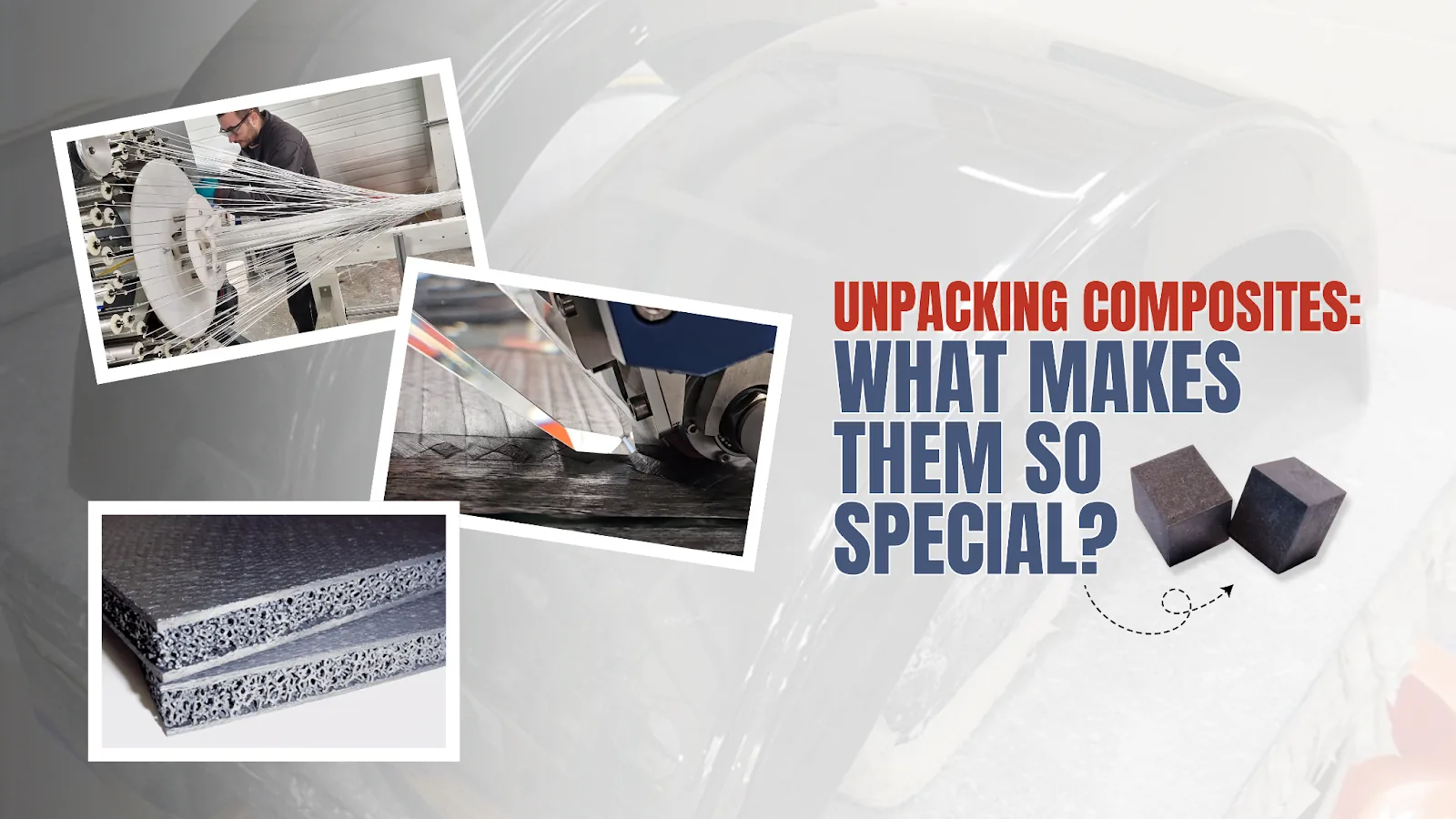
Composite materials are engineered by combining two or more different materials, such as a matrix (like plastic or metal) and a reinforcement (like fibers), to achieve properties better than the individual components. For example, carbon fiber reinforced polymers are strong yet lightweight, making them ideal for aircraft parts.
Importance and Applications
These materials are crucial across industries due to their unique benefits:
- Aerospace: Used in wings and fuselages for their high strength-to-weight ratio, improving fuel efficiency.
- Automotive: Found in car bodies to reduce weight, enhancing performance and fuel economy.
- Construction: Reinforced concrete, with steel rebar, strengthens buildings and bridges.
- Sports: Tennis rackets and bicycles benefit from their strength and flexibility.
Unexpected Detail: Historical Use
Interestingly, composites have ancient roots, like mud bricks with straw used by Egyptians over 3,500 years ago, showing their long-standing role in innovation.
Comprehensive Overview of Composite Materials
Composite materials represent a fascinating intersection of material science and engineering, offering tailored solutions for modern challenges. This section delves into their definition, applications, properties, types, manufacturing processes, and sustainability, providing a detailed exploration for readers interested in their technical and practical aspects.
Definition and Composition
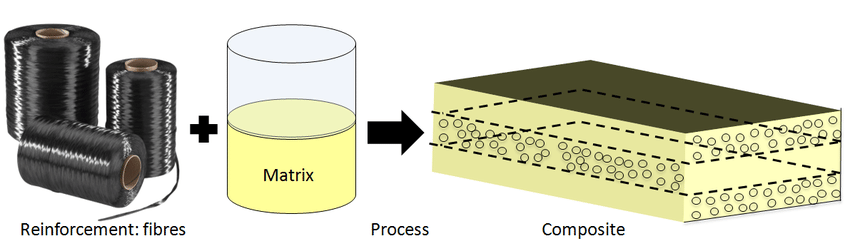
Composite materials are defined as materials created by combining two or more constituent materials with dissimilar chemical or physical properties, resulting in a new material with enhanced characteristics. The matrix, which can be a polymer, metal, or ceramic, acts as a binder, while the reinforcement, such as fibers or particles, enhances properties like strength or stiffness. For instance, fiberglass combines glass fibers with a resin matrix, offering a balance of strength and flexibility. This combination is distinct from mixtures, as the individual components remain separate within the final structure, as noted in Composite material - Wikipedia.
Importance and Wide-Ranging Applications
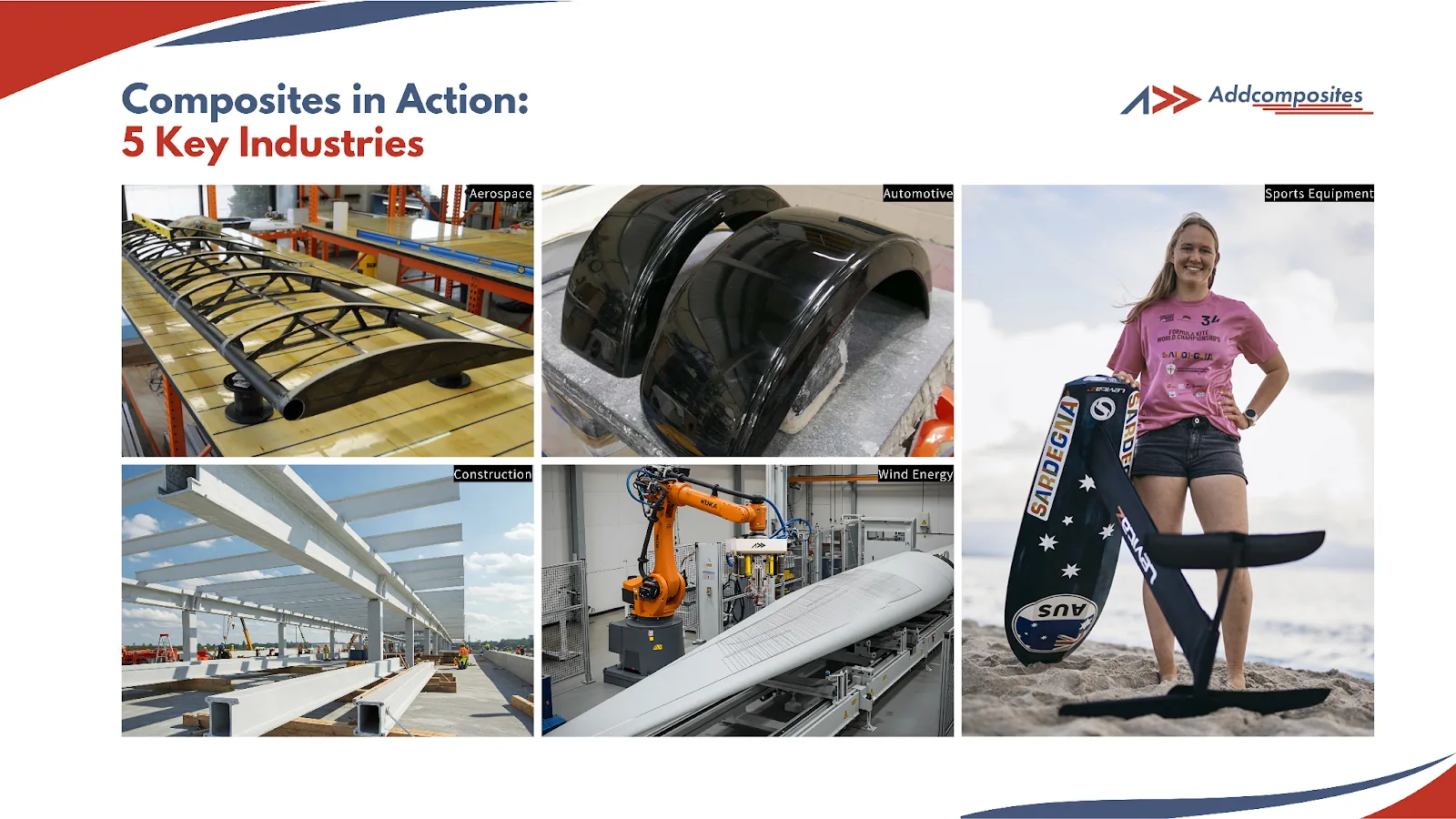
The importance of composite materials lies in their ability to meet specific engineering needs, driving innovation across multiple sectors. They are particularly valued for their high performance in demanding environments:
- Aerospace: Composites like carbon fiber reinforced polymers (CFRP) are used in aircraft wings and fuselages, reducing weight and improving fuel efficiency, as highlighted in What are the Applications of Composite Materials Today? - Addcomposites. This is critical for meeting stringent aviation standards.
- Automotive: In car manufacturing, composites reduce vehicle weight, enhancing fuel economy and performance, with applications in body panels and structural components, as seen in Applications of composites - JEC.
- Construction: Reinforced concrete, where steel rebar is embedded in concrete, improves tensile strength, essential for bridges and buildings, as mentioned in Composite Materials | Types of Composites | Applications - Atira.
- Sports Equipment: Composites are used in tennis rackets, golf clubs, and bicycles for their strength and lightweight properties, enhancing performance, as noted in What is Composite Material? | Xometry.
- Wind Energy: Wind turbine blades utilize composites for their durability and corrosion resistance, supporting renewable energy goals, as discussed in The science and technology of composite materials - Curious.
An unexpected historical detail is their ancient use, such as mud bricks with straw by Egyptians around 1500 BC and plywood by Mesopotamians in 3400 BC, illustrating their long evolution, as seen in Composite material - Wikipedia.
Key Properties and Advantages
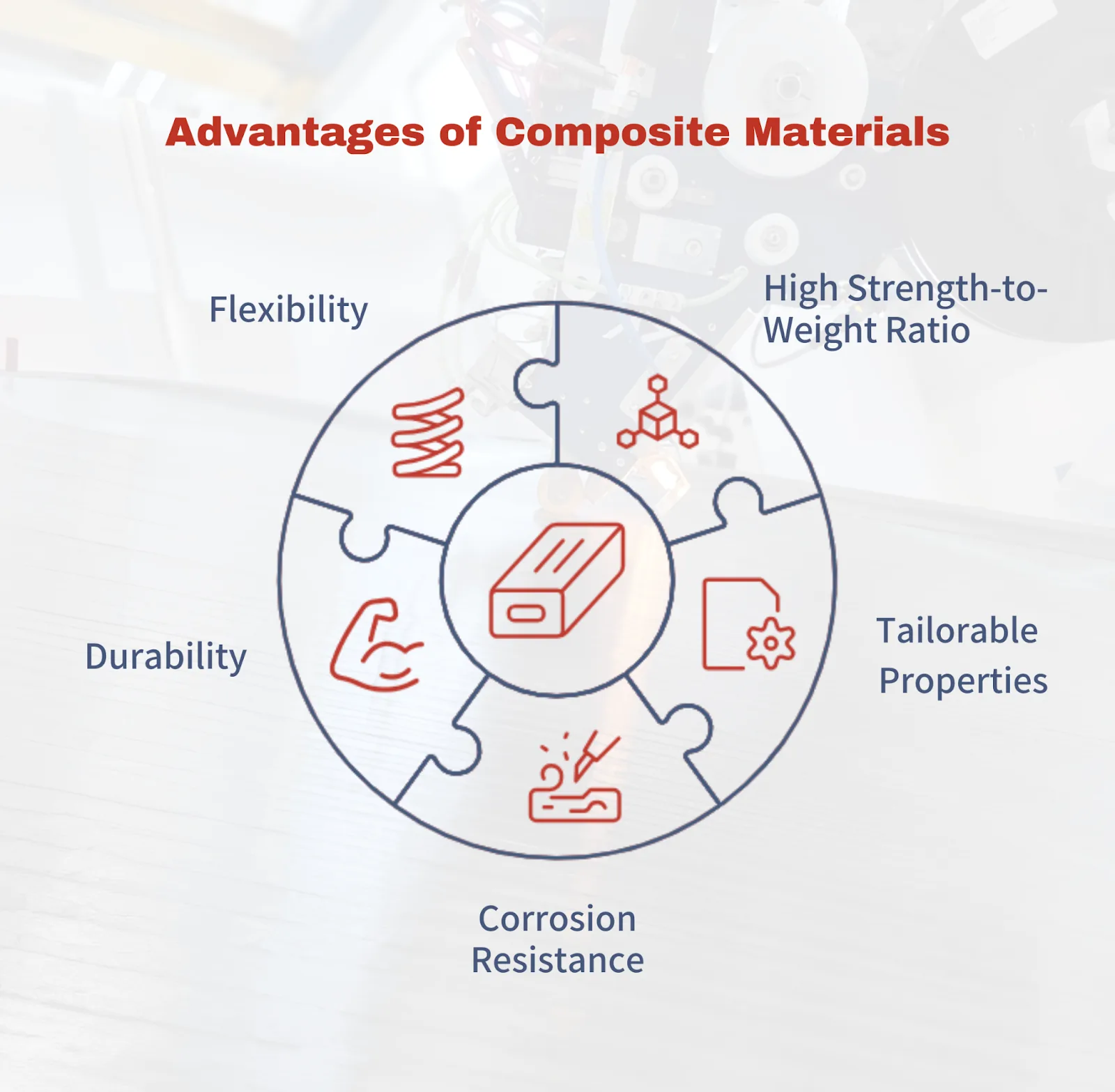
Composite materials offer a suite of properties that make them superior to traditional materials:
- High Strength-to-Weight Ratio: They are strong yet light, ideal for weight-critical applications like aerospace, as noted in What is a Composite Material? Properties Uses & various Advantages - Testbook.
- Tailorable Properties: Engineers can design composites for specific needs by choosing different fibers (e.g., carbon, glass) and matrices, as mentioned in Composite Materials Property - ScienceDirect.
- Corrosion Resistance: Many composites resist corrosion, suitable for harsh environments, as seen in What are composite materials? Types and applications | Iberia Composite Manufacturing.
- Durability: They exhibit resistance to wear and fatigue, enhancing lifespan, as highlighted in What is a Composite Material? A Complete Guide to Composites - Piran Composites.
- Flexibility: Some composites can be flexible, useful in sports equipment, as noted in The science and technology of composite materials - Curious.
These properties are achieved through the synergy of the matrix and reinforcement, exceeding the capabilities of individual components, as explained in Composite Material | What Is It, Properties, Types, and Uses - Ruitai Mould.
Types of Composite Materials
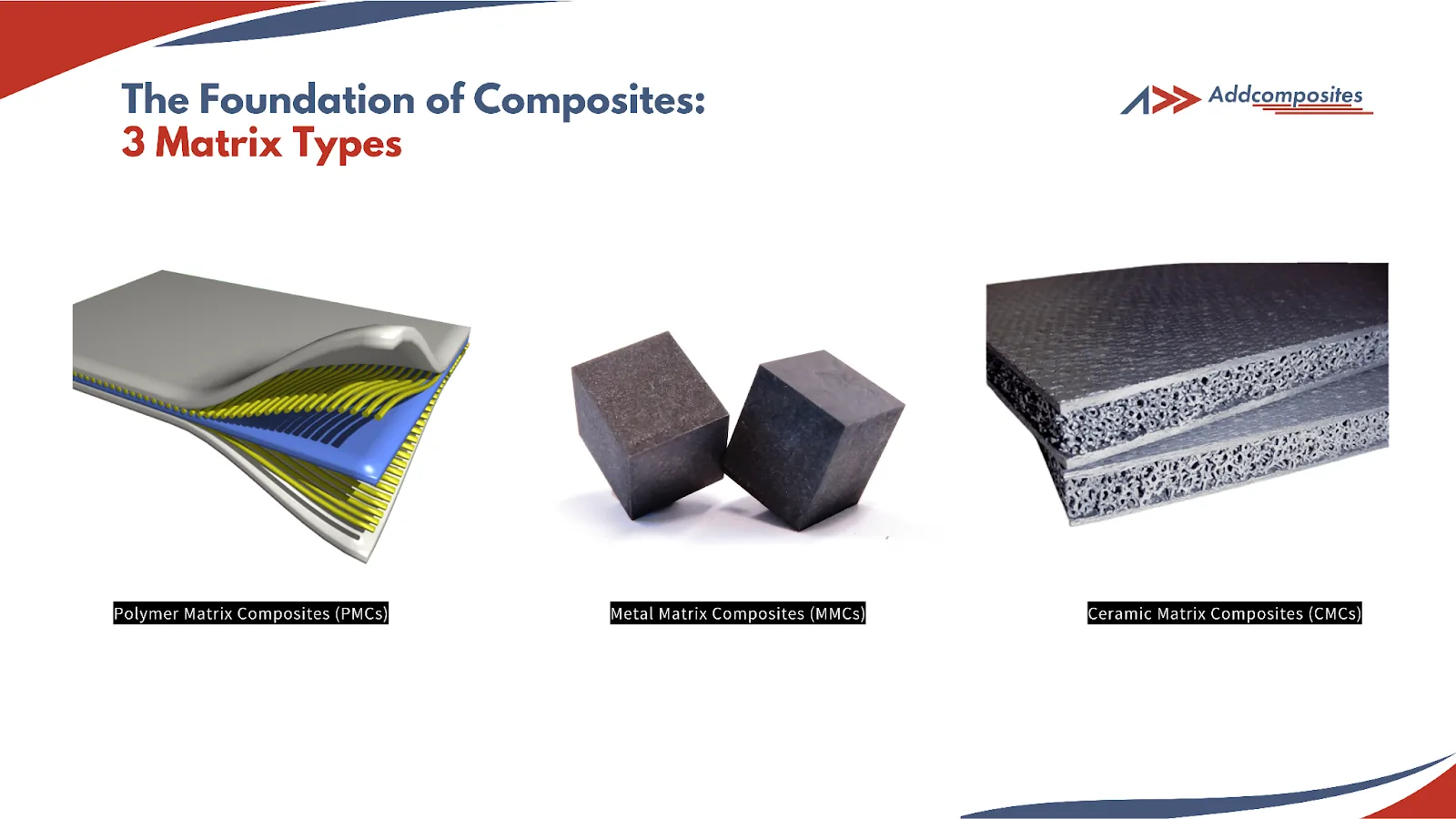
Composites are classified based on their matrix material, each with specific applications:
- Polymer Matrix Composites (PMCs): These use a polymer matrix (e.g., epoxy, polyester) with reinforcements like glass or carbon fibers, common in aerospace and automotive, as detailed in Types of composite materials - AimPlas.
- Metal Matrix Composites (MMCs): These have a metal matrix (e.g., aluminum) with fiber or particle reinforcements, used in high-temperature applications, as noted in What Is Composite Material?- Definition And Types - The Engineering Choice.
- Ceramic Matrix Composites (CMCs): These use a ceramic matrix with fiber reinforcements, ideal for extreme temperatures, such as in jet engines, as mentioned in A Complete Guide to Different Types of Composite Materials: Understanding the Versatility of Composites - Goldsupplier.
This classification allows for tailored solutions, as seen in Composite material - Wikipedia.
Manufacturing Processes
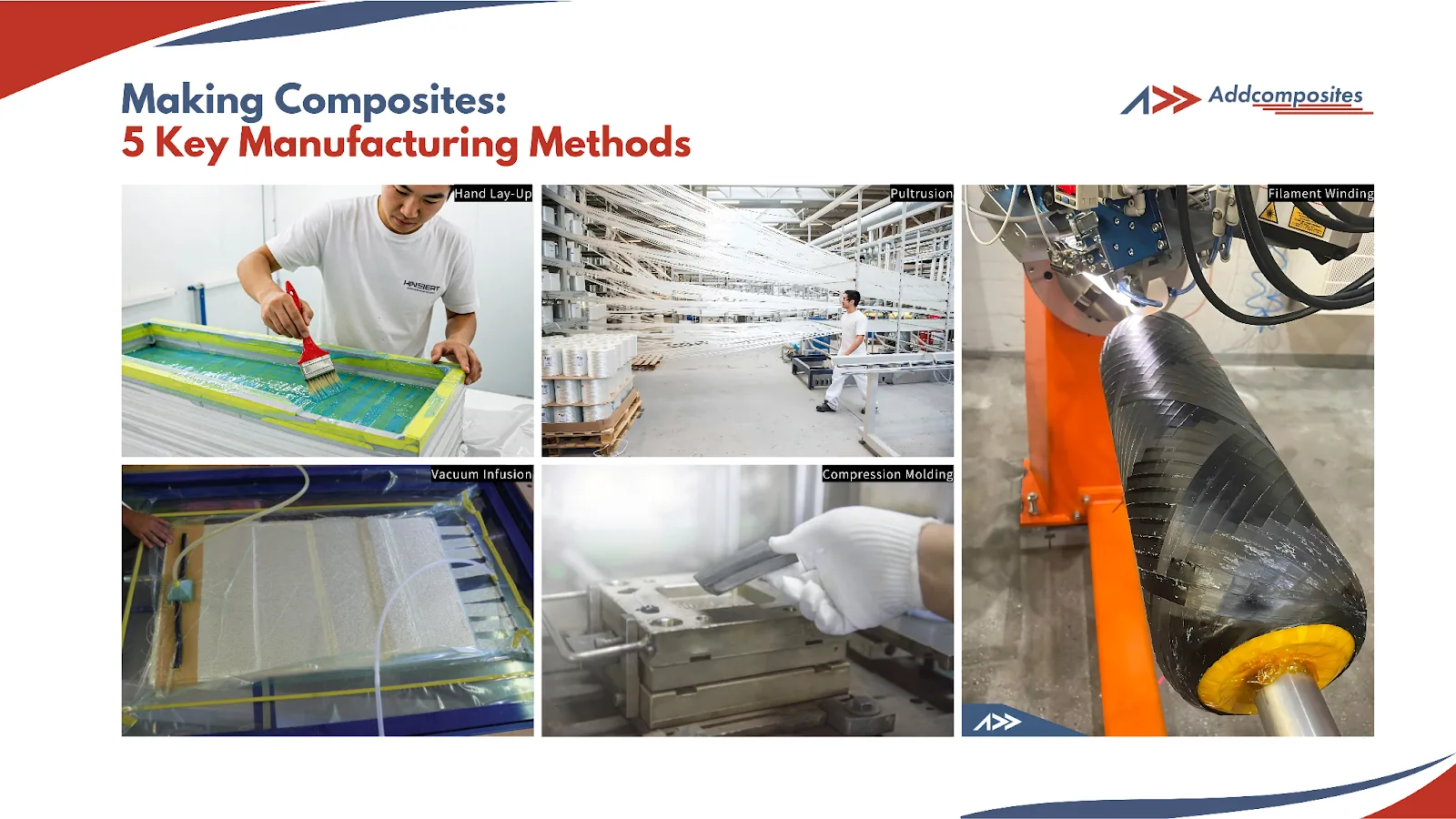
The production of composites involves various methods, each suited to different applications:
- Hand Lay-Up: Fibers are manually placed, and resin is applied, suitable for prototypes, as described in Composite Manufacturing Methods - Explore Composites!.
- Vacuum Infusion: A vacuum pulls resin into the fiber reinforcement, used for large structures, as noted in A Guide to Understanding the Composites Manufacturing Process - SMI Composites.
- Compression Molding: Pressure and heat shape the composite, common for high-volume production, as seen in Materials & Processes: Fabrication methods | CompositesWorld.
- Filament Winding: Fibers are wound around a mandrel and impregnated with resin, used for cylindrical parts, as mentioned in Composite Manufacturing Processes | CompositesLab.
- Pultrusion: A continuous process for profiles with constant cross-sections, ideal for structural components, as detailed in Composite Manufacturing Process | Piran Advanced Composites.
The choice of method depends on the material, design, and application, as highlighted in How are composites manufactured? - TWI.
Sustainability Aspects and Challenges
Sustainability is a growing concern, with efforts to mitigate environmental impacts:
- Composites contribute to decarbonization through lightweighting, reducing emissions, but their end-of-life management is challenging, with only 15% of UK composites recycled annually, as noted in Sustainability | National Composites Centre.
- Research is focusing on bio-based materials, such as natural fibers, and improved recycling methods, as seen in Green and Sustainable: Eco-Friendly Composite Materials - SMI Composites.
- The industry aims for a circular economy, reducing waste and using sustainable feedstocks, as discussed in Sustainability and the composites sector - RSC.
- Challenges include the degradation of material performance during recycling and the reliance on non-sustainable raw materials, as highlighted in Sustainable Composites partnership | National Composites Centre.
Despite these challenges, advancements are being made, with potential for greener production, as seen in Sustainability in the manufacturing of composite materials: A literature review and directions for future research - ScienceDirect.
Conclusion
Composite materials are a cornerstone of modern engineering, offering versatile solutions with their enhanced properties and wide applications. As the industry evolves, the focus on sustainability will likely drive further innovation, ensuring their role in a greener future. For deeper insights, explore resources like Composites & Sustainability | Sustainable Plastics.
Key Citations
- Composite material - Wikipedia
- What is a Composite Material? (A Definitive Guide) - TWI
- What is Composite Material? | Xometry
- Composite Materials Property - an overview | ScienceDirect Topics
- The science and technology of composite materials - Curious
- What is a Composite Material? A Complete Guide to Composites - Piran Composites
- What Is Composite Material?- Definition And Types - The Engineering Choice
- Composite materials - Using materials - AQA - GCSE Chemistry (Single Science) Revision - AQA - BBC Bitesize
- Composite Material | What Is It, Properties, Types, and Uses - Ruitai Mould
- What are Composites? - Romeo RIM
- What Is a Composite Material? | PTC
- What are the Applications of Composite Materials Today? - Addcomposites
- Applications of composites - JEC
- Composite Materials | Types of Composites | Applications - Atira
- What are composite materials? Types and applications | Iberia Composite Manufacturing
- Applications of Composite Materials: Aerospace & Automobile - Studysmarter
- Applications of Composite Materials - Crescent
- Types of composite materials - AimPlas
- A Complete Guide to Different Types of Composite Materials: Understanding the Versatility of Composites - Goldsupplier
- 10 Surprising Examples of Composite Materials – SMI Composites
- Composite material - Wikipedia mobile
- Composite Manufacturing Process | Piran Advanced Composites
- Materials & Processes: Fabrication methods | CompositesWorld
- How are composites manufactured? - TWI
- Composite Manufacturing Methods - Explore Composites!
- What are the Fundamental Steps of Composites Manufacturing? - Addcomposites
- Composites Manufacturing Processes | CompositesLab
- Composite Material Manufacturing - an overview | ScienceDirect Topics
- A Guide to Understanding the Composites Manufacturing Process - SMI Composites
- Composite Manufacturing Processes - Corvus Composites
- The Shift in Composite Manufacturing: From Traditional to Intelligent - Addcomposites
- Sustainability and the composites sector - RSC
- Composites & Sustainability | Sustainable Plastics
- Green and Sustainable: Eco-Friendly Composite Materials - SMI Composites
- Sustainability in the manufacturing of composite materials: A literature review and directions for future research - ScienceDirect
- Sustainability | CompositesWorld
- Our work to show opportunities for chemistry to make composite materials more sustainable - RSC
- Sustainable Composites partnership | National Composites Centre
- Sustainability | National Composites Centre
- Sustainable Composite Materials for Sustainable Environments | Hindawi