

ADDCOMPOSITES BLOG
Advancing the Future of Hydrogen Storage: Composites Leading the Way in Automotive Innovation
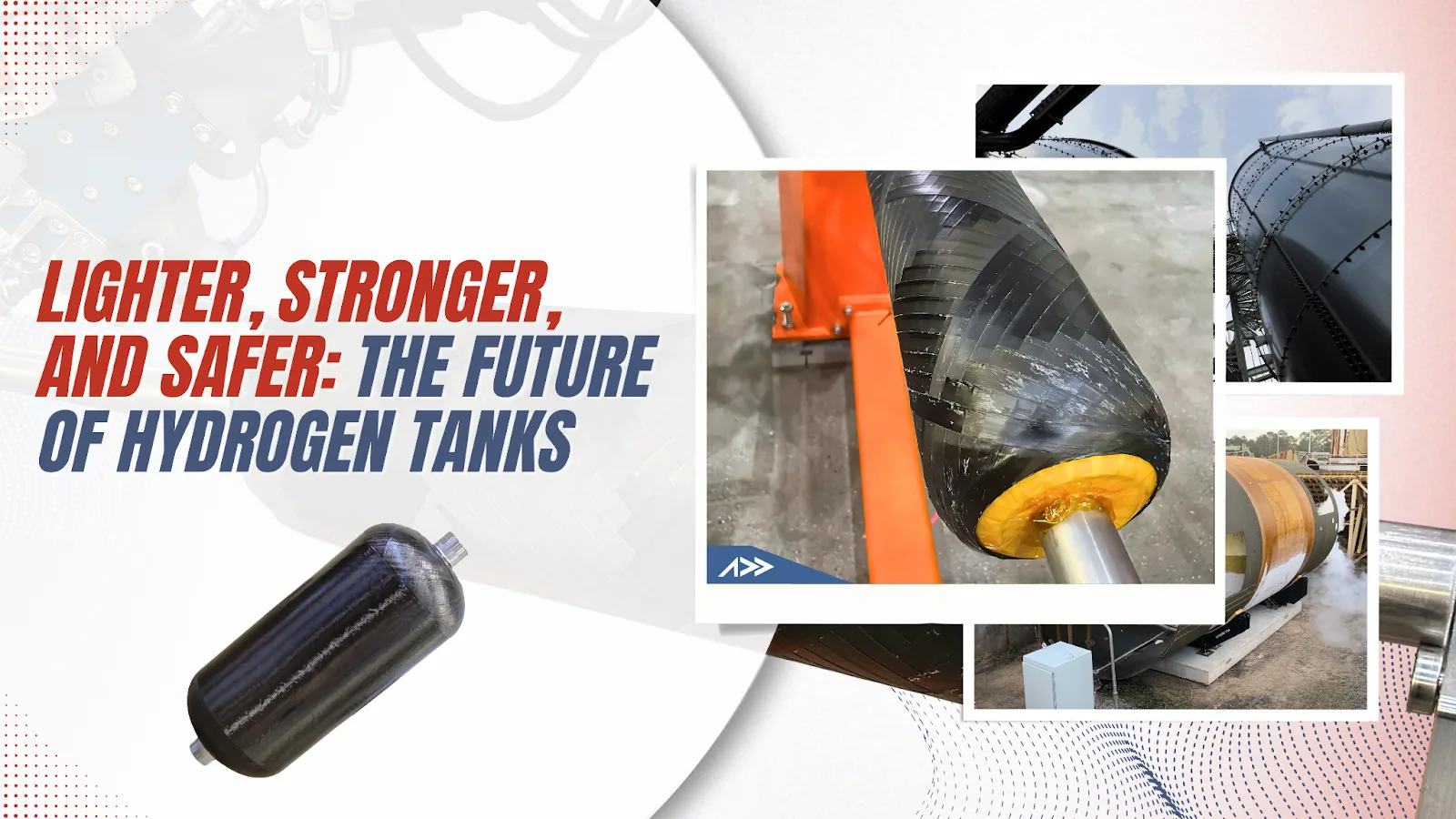
The automotive industry is racing toward a sustainable future, and hydrogen-powered vehicles are at the forefront of this revolution. Central to this shift are composite hydrogen storage systems—lightweight, durable tanks that enable fuel cell electric vehicles (FCEVs) to achieve greater efficiency and range. At Addcomposites, we're driving this transformation by leveraging cutting-edge materials and manufacturing innovations. In this blog, we dive into the latest advancements in composite hydrogen storage, exploring their impact on performance, safety, cost, and sustainability, while offering a glimpse into market trends and the road ahead.
Material Advancements: The Building Blocks of Progress
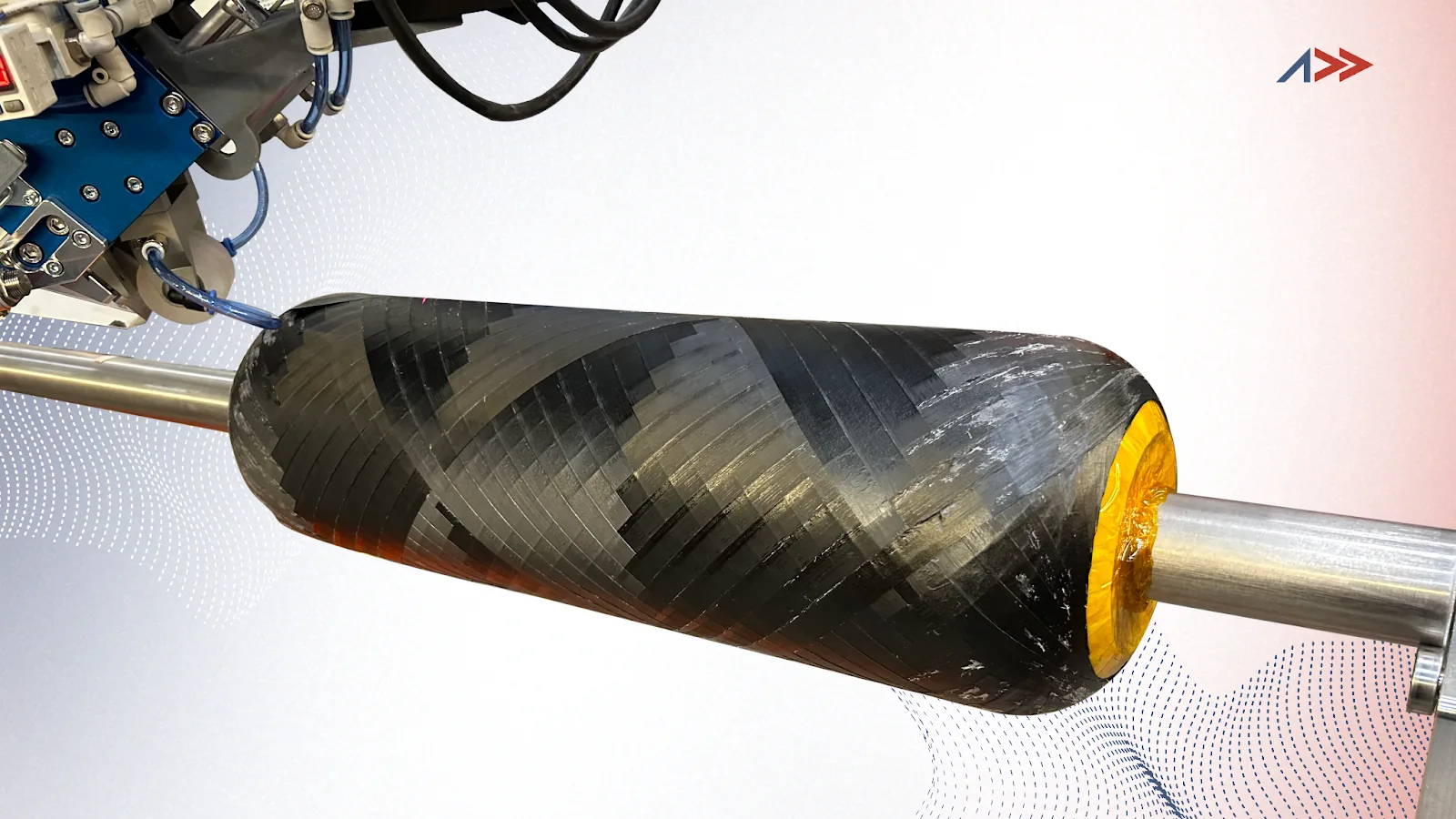
Composite materials are redefining hydrogen storage with innovations that enhance strength, safety, and efficiency. Key developments include:
- Nanocomposites and Functionally Graded Materials: These advanced composites improve tank durability and resistance to damage, ensuring safer storage under high pressure. GMS Composites research confirms these materials create lighter, stronger tanks with enhanced durability.
- Polyamide-Graphene Composites: Used in Type IV tanks, these materials drastically reduce hydrogen leakage by up to 83%, as reported by CompositesWorld. ScienceDirect research further validates their ultra-high gas barrier properties, enhancing reliability for long-term use.
- Carbon Fiber-Reinforced Thermoplastics (CFRTP): With power density improvements up to 7.5 kW/kg (an 81% improvement over traditional materials), CFRTP is boosting FCEV performance according to CompositesWorld, making hydrogen a viable alternative to traditional fuels.
These material breakthroughs are critical for meeting the automotive industry's demands for lightweight, high-performance storage solutions. Additionally, ScienceDirect studies on nanoporous polymer-based composites show promising results for enhancing onboard hydrogen storage capacity.
Manufacturing Innovations: Scaling Up for Mass Adoption
Efficient production is key to bringing composite hydrogen storage to the mainstream. Recent manufacturing advancements include:

- Automated Production Lines: Leveraging Industry 4.0 technologies, these systems reduce costs and ensure consistent quality, making large-scale production feasible. Fraunhofer IPT has developed systems for automated production of hydrogen pressure tanks using in-situ consolidation, eliminating subsequent curing processes for high-volume production.
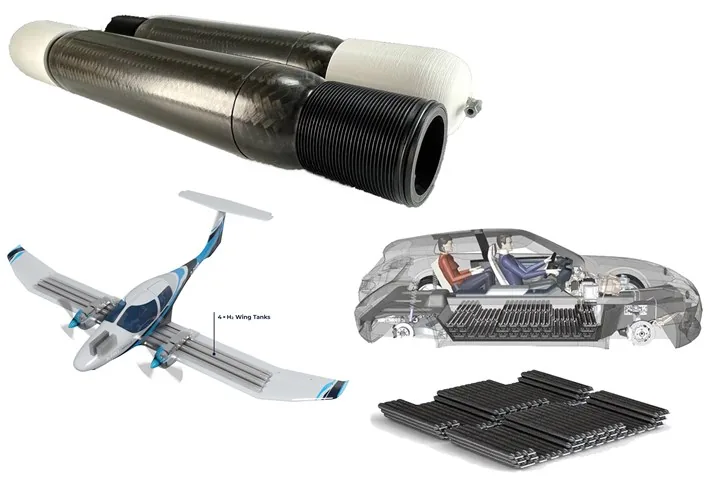
- Braided Thermoplastic Tanks: Featuring low-permeability liners like EVOH, these tanks are optimized for electric vehicles and produced with automated processes for speed and precision. CompositesWorld reports these designs are specifically engineered to fit EV battery spaces with novel polyamide matrices.
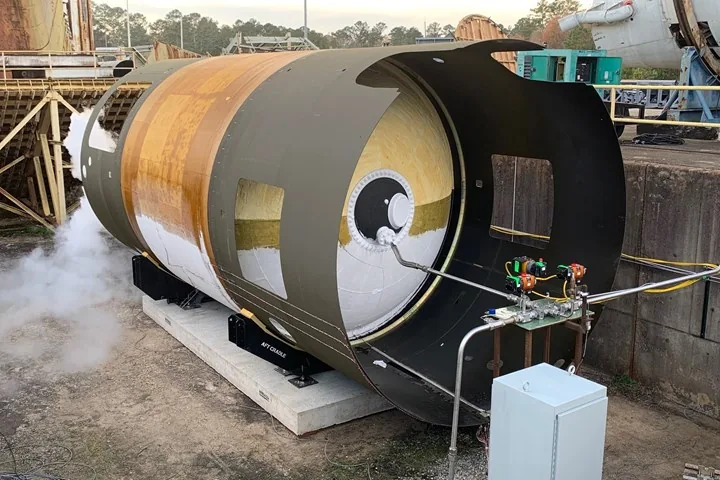
- Cryo-Compressed Hydrogen (CcH2) Systems: With 50% less energy consumption and 27% greater density than liquid hydrogen (per ScienceDirect), CcH2 is ideal for heavy-duty vehicles like trucks, expanding hydrogen's reach in the automotive sector.
These innovations are lowering barriers to adoption, making composite tanks a practical choice for automakers. Roth Composite Machinery has delivered a Filament Winding Plant with 40% performance improvement, suitable for series production of hydrogen storage systems.
Safety: Tackling Challenges with Technology

Storing highly flammable hydrogen safely is a top priority. The industry is addressing key challenges with advanced solutions:
- Leakage and Explosion Risks: Materials like PA66 liners cut leakage by up to 95% according to Hyosung TNC, while being 70% lighter than metal and 50% lighter than HDPE, with 30% higher gas barrier properties. Probabilistic safety assessments from BAM ensure failure rates remain as low as 1 in a million through Monte Carlo Simulation for statistical strength distribution.
- Hydrogen Embrittlement: Careful material selection and testing mitigate this risk, preserving tank integrity over time and under high pressures.
- Thermal Management: Technologies like Thermal Pressure Relief Devices (TPRDs) and sensors detecting hydrogen at 10 ppm prevent failures during refueling and operation, addressing thermal stress concerns.
Non-destructive evaluation (NDE) techniques further enhance safety by enabling real-time quality checks during production and use. Google Patents supports these advancements with a patent on PA6/66 for improved gas barrier properties and impact resistance.
Cost and Market Trends: Driving Affordability
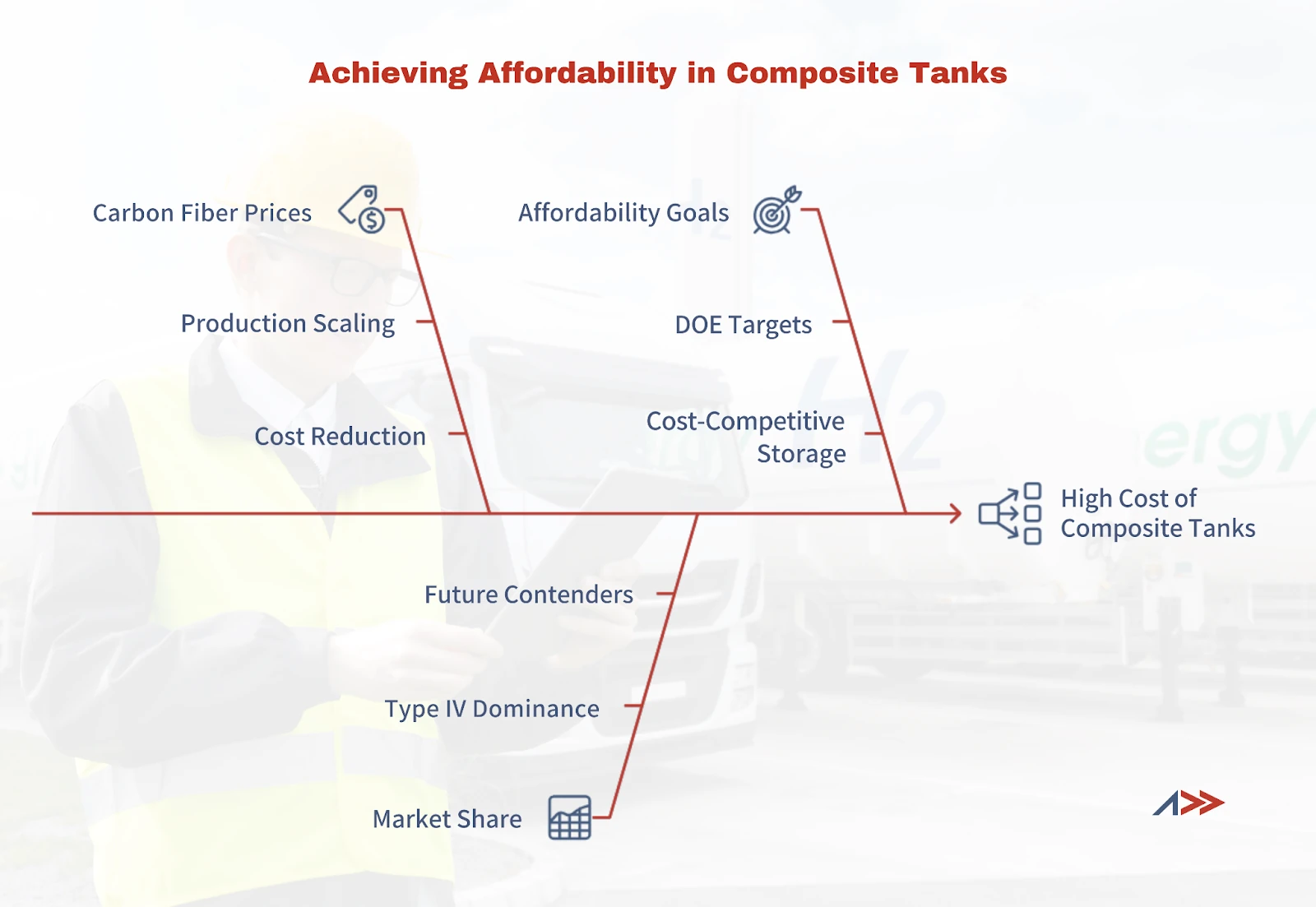
While composite tanks offer unmatched benefits, cost remains a hurdle. However, market dynamics are shifting:
- Carbon Fiber Costs: Accounting for over 50% of tank expenses (confirmed by CompositesWorld and Cevotec), carbon fiber prices are poised to drop—from €650 to €550 per Type IV tank—as production scales, according to MDPI research.
- Market Share: Type IV tanks lead with 43% of the market in 2023 and are projected to maintain dominance through 2030 (42.89%), according to MarketsandMarkets. Type III follows at 27.21%, Type I at 17.86%, and Type II at 12.03%, while Type V tanks remain at 0% but emerge as a future contender.
- Affordability Goals: The U.S. Department of Energy targets $8/kWh by 2030, signaling a push toward cost-competitive hydrogen storage.
These trends underscore the need for continued innovation to balance performance and affordability as the market evolves.
Supply Chain and Sustainability: A Resilient Future
The supply chain for composite tanks faces challenges, but sustainability efforts are creating opportunities:
- Carbon Fiber Scarcity: Limited global supply is a bottleneck, yet recycling initiatives like Voith's process are reclaiming up to 90% of tensile strength from manufacturing scraps and end-of-life tanks, easing demand on virgin materials. CompositesWorld reports Voith's process extracts 60-80 mm fibers that can be remanufactured into tapes with 80-90% of original tensile strength.
- Green Manufacturing: The shift toward recycled resins and bio-based composites aligns with automakers' sustainability goals, reducing the environmental footprint of hydrogen storage.
These steps are vital for building a resilient, eco-friendly supply chain that can support the growing demand for hydrogen storage solutions.
Conclusion: Composites at the Heart of Hydrogen Mobility
Composite hydrogen storage systems are paving the way for a cleaner automotive future, blending innovation with practicality. From advanced materials to scalable manufacturing and enhanced safety, these systems are overcoming barriers to hydrogen adoption. At Addcomposites, we're proud to lead this charge, delivering solutions that empower the next generation of sustainable mobility. The road ahead is bright, and composites are steering us toward it.
Key Innovations at a Glance
| Innovation Area | Details | Key Metrics |
|---|---|---|
| Advanced Composites | Nanocomposites, polyamide-graphene for Type IV tanks | 83% leakage reduction, 7.5 kW/kg power density |
| Automated Manufacturing | Industry 4.0 lines, braided thermoplastic tanks | 40% performance improvement, low permeability |
| Cryo-compressed Hydrogen | Densification pathway, heavy-duty truck applications | 50% less energy, 27% density improvement |
| Safety Assessments | PA66 liners, BAM-PA probabilistic method | 95% leakage reduction, 1-10⁻⁶ failure rate |
| Market Share | Type IV dominant in market | 43% market share, projected stability through 2030 |
| Carbon Fiber Recycling | Voith's process for scraps and EOL tanks | 80-90% tensile strength retention |
Ready to explore how composite hydrogen storage can transform your projects? Visit Addcomposites to learn more about our cutting-edge solutions or contact us for expert insights into the future of clean energy.
References
- GMS Composites - Composites for Hydrogen Tanks
- ScienceDirect - Review of common hydrogen storage tanks
- CompositesWorld - Graphmatech launches Aros polyamide-graphene
- ScienceDirect - Ultra-high gas barrier composites
- CompositesWorld - Composite bipolar plates provide 81% improvement
- Fraunhofer IPT - Hydrogen tanks
- Roth Composite Machinery - Hydrogen tanks by filament winding process
- CompositesWorld - Braided thermoplastic composite H2 tanks
- CompositesWorld - Cryo-compressed hydrogen, the best solution
- ScienceDirect - Cryo-Compressed Hydrogen
- CompositesWorld - Hyosung transforms nylon for use as liner
- Google Patents - Hydrogen tank liner material and hydrogen tank
- BAM - Safety of Gas Storage Systems
- MDPI - A Comprehensive Literature Review on Hydrogen Tanks
- CompositesWorld - Carbon fiber in pressure vessels for hydrogen
- MarketsandMarkets - Hydrogen Storage Tanks and Transportation Market
- DOE - Technical Targets for Onboard Hydrogen Storage
- CompositesWorld - Recycling hydrogen tanks to produce automotive structural components